
Discovering Axarquía: The Unspoiled Eastern Costa del Sol (Itinerary & Highlights)
When most people picture the Costa del Sol, their minds immediately drift west of Málaga—to the glamorous beach clubs of Marbella, the high-rise resorts of Torremolinos, and the bustling promenades of Fuengirola. But if you turn your heading east instead, you will discover an entirely different world.
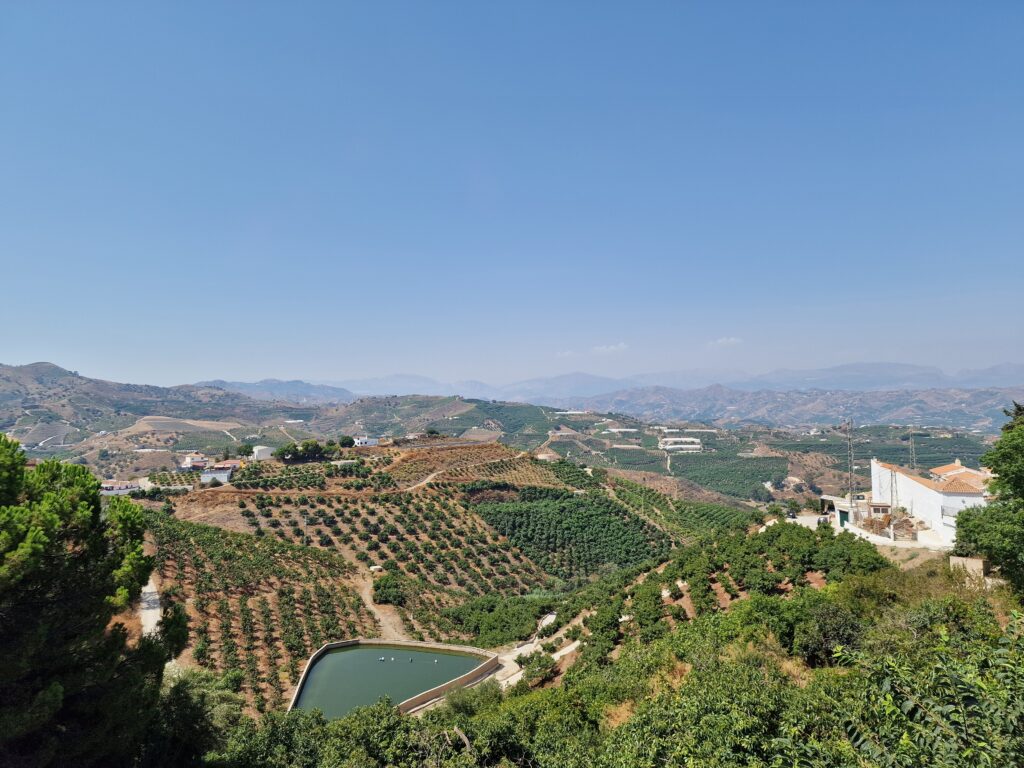
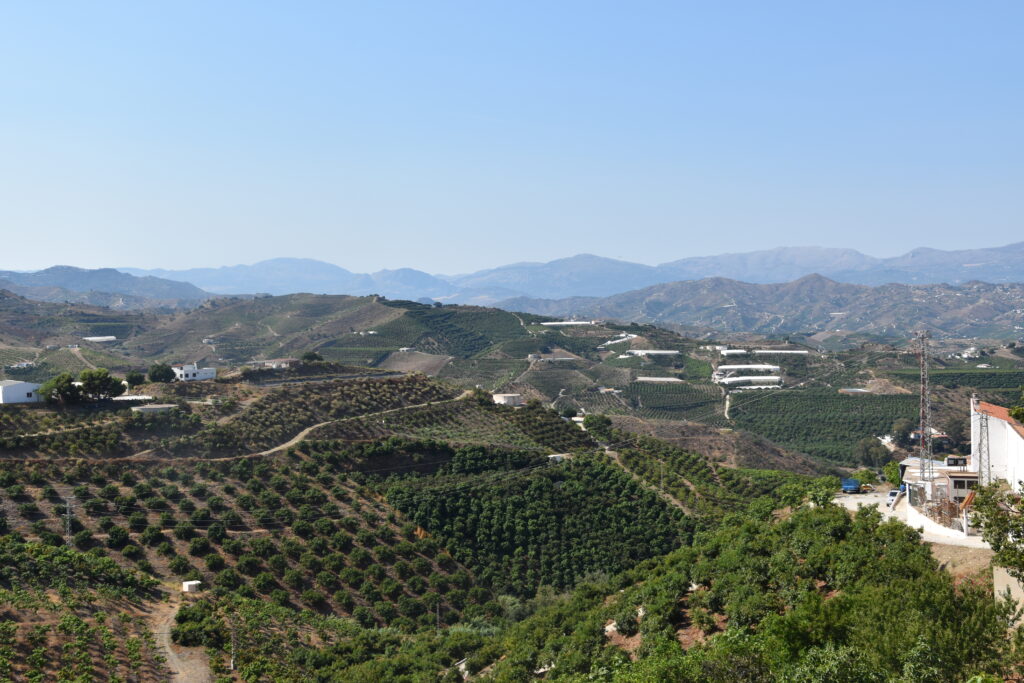
Welcome to the Axarquía. This enchanting region stretches from the eastern limits of Málaga city all the way to the border of Granada province. It is a land where dramatic mountain peaks shield a subtropical coastline, where ancient olive groves and avocado orchards coat the hillsides, and where time-honored white villages preserve a deeply traditional way of life.
If you want to escape the mass commercial tourism and experience the raw, authentic heart of southern Spain, discovering Axarquía is the ultimate adventure. Here is your complete guide to the highlights, flavors, and the perfect road trip itinerary through this magnificent, unspoiled region.
Where to Book: Essential Transport & Axarquía Experiences
Because the Axarquía’s most beautiful secrets are scattered across rugged mountain terrains and rural valleys where train tracks do not reach, planning your transport in advance is crucial. Click the links below to secure the best rates before your journey.

To properly navigate the winding mountain switchbacks and hop between remote white villages at your own pace, renting a car is a must. Discover Cars compares top local providers at Málaga Airport to find you the best price with full insurance and zero hidden surprises.
The Perfect Axarquía Road Trip Itinerary
To experience the true diversity of the region, this curated itinerary takes you from the buzzing eastern coastline, through the historical capital, and deep into the dramatic whitewashed mountain folds.
Stop 1: Rincón de la Victoria – The Gateway to the Axarquía
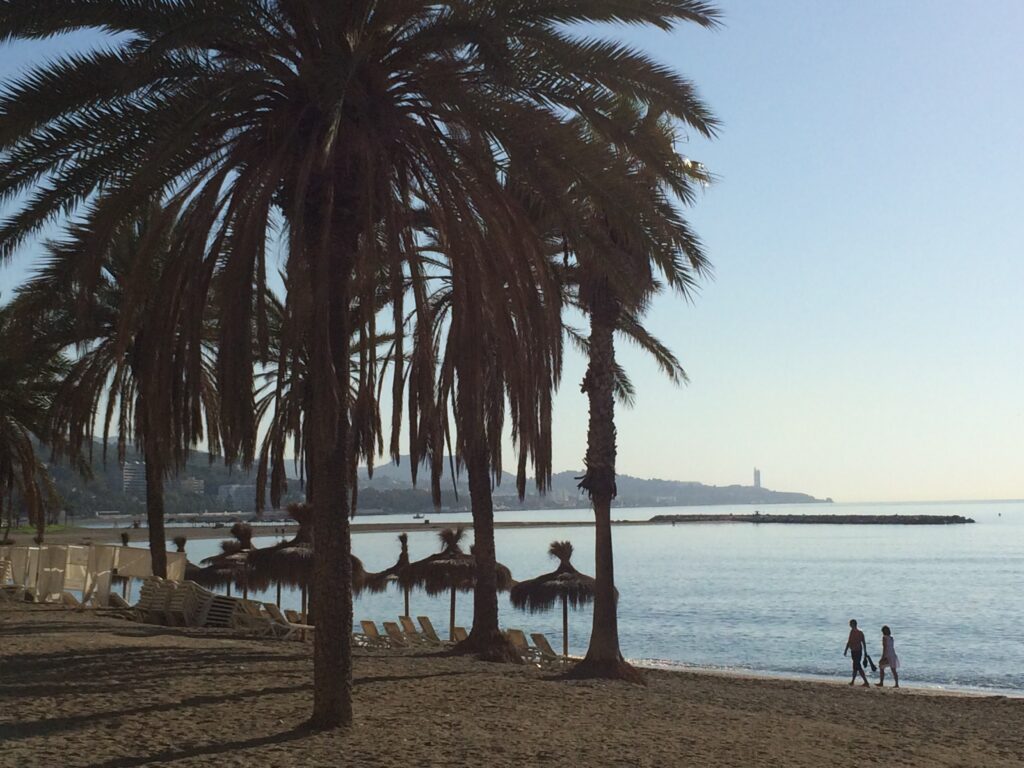
Your journey into the region begins just as you cross the eastern city limits of Málaga. Rincón de la Victoria serves as the coastal gateway to the Axarquía, beautifully blending the lifestyle of a traditional Spanish seaside town with some of the coast’s most extraordinary history. Because the western commuter train line doesn’t reach this side of the province, it has remained a hidden gem for international crowds, allowing it to preserve its authentic local character.
The absolute highlight here lies beneath the surface. Rincón de la Victoria is home to the spectacular Cueva del Tesoro (The Treasure Cave)—one of only three known marine caves on the planet and the only one of its kind in Europe. Carved out by the Mediterranean waves millions of years ago, its subterranean lakes and galleries are wrapped in legends of hidden Moorish gold. After exploring the caves, you can stroll along the vibrant Paseo Marítimo or take the pedestrian path through the old railway tunnels carved into the El Cantal cliffs.
Highlight: Walking through the illuminated, water-carved chambers of the Cueva del Tesoro, and tasting fresh espetos on the wide, sandy beach.
Stop 2: Torre del Mar – The Coastal Gatekeeper
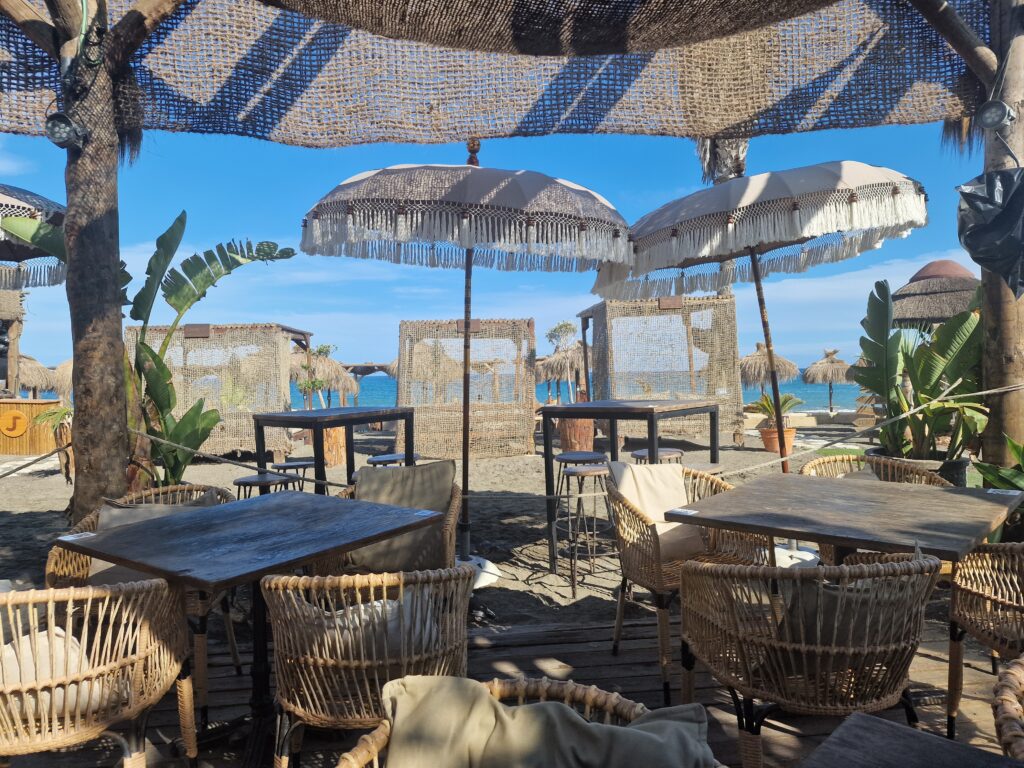
Your journey begins right on the Mediterranean sand. Torre del Mar serves as the coastal heart of the Axarquía. Unlike the crowded resort towns further west, this vibrant seaside town maintains a thoroughly Spanish atmosphere. It boasts one of the longest and most beautiful beachfront promenades in Andalucía, lined with excellent chiringuitos where you can sample fresh seafood.
Highlight: Walking along the promenade at sunset and enjoying an authentic lunch of wood-roasted sardine skewers.
Before you hit the beach restaurants, check out our comprehensive Málaga food guide to know exactly how to order like a local.
When it comes to dining along the coast here, the undisputed king of the chiringuito menu is the espeto de sardinesundisputed king of the chiringuito menu is the espeto de sardinas (sardine skewer). Fresh, plump sardines are skewered onto bamboo sticks and planted into the sand inside old, sand-filled fishing boats, where they are slow-roasted over burning olive wood. Cooked to perfection with nothing more than sea salt and natural smoke, it is a culinary masterpiece of simplicity.
Beyond sardines, chiringuitos are the ultimate places to order pescaíto frito (a crisp, golden medley of flash-fried local fish), boquerones (anchovies, either fried or marinated in vinegar and garlic), and massive pans of seafood paella infused with rich saffron.
Local Insider Tip: For the most authentic and budget-friendly espeto experience, skip the high-end resort zones and head east toward the historic fishing neighborhoods of El Palo and Pedregalejo in Málaga, or along the coast in Torre del Mar.
Stop 3: Vélez-Málaga – The Ancient Cultural Capital
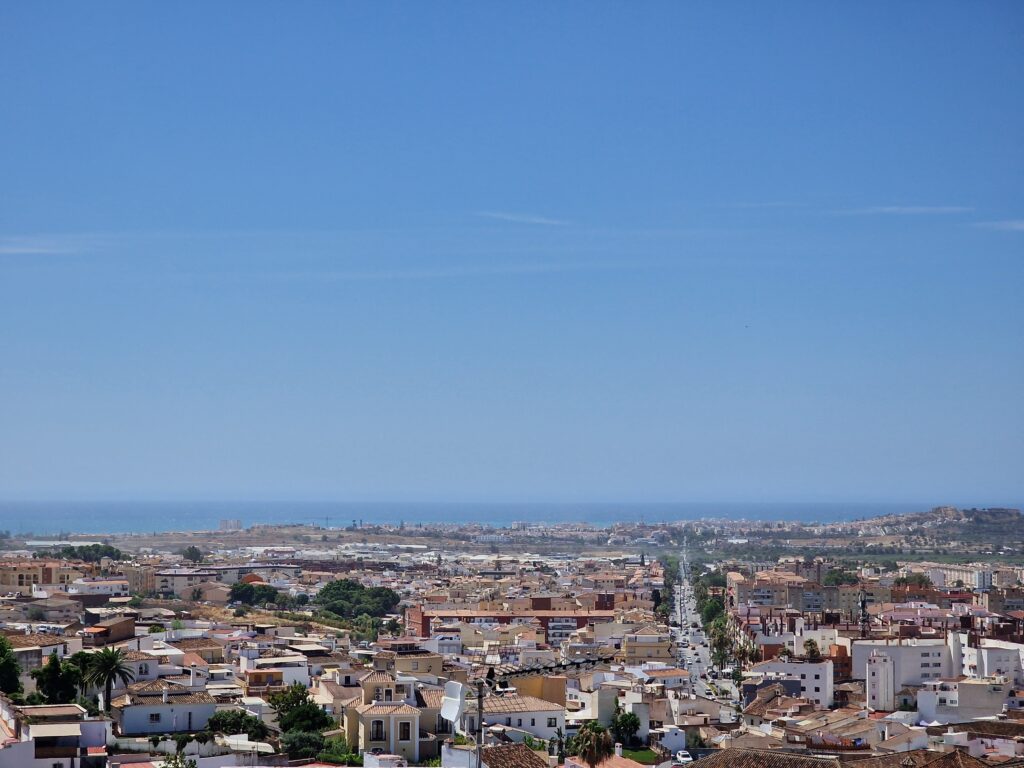
Just a few kilometers inland from the coast, the landscape shifts dramatically as you enter Vélez-Málaga. As the official capital of the Axarquía, this historic city is packed with architectural treasures that completely escape the average beach tourist. Wander through the old mudéjar neighborhoods, look up at the ancient church towers, and climb to the top of the restored Alcazaba (Moorish fortress).
Highlight: The 360-degree view from the hilltop fortress, looking out over rolling hills filled with tropical mango and avocado plantations.
Top Activities and Regional Excursions
Enhance your eastern adventure by booking a local guided experience. Securing your tickets online ensures you get the best prices and guarantees your spot on the most popular regional tours.
Stop 4: Iznate – The Sweet Heart of the Hills
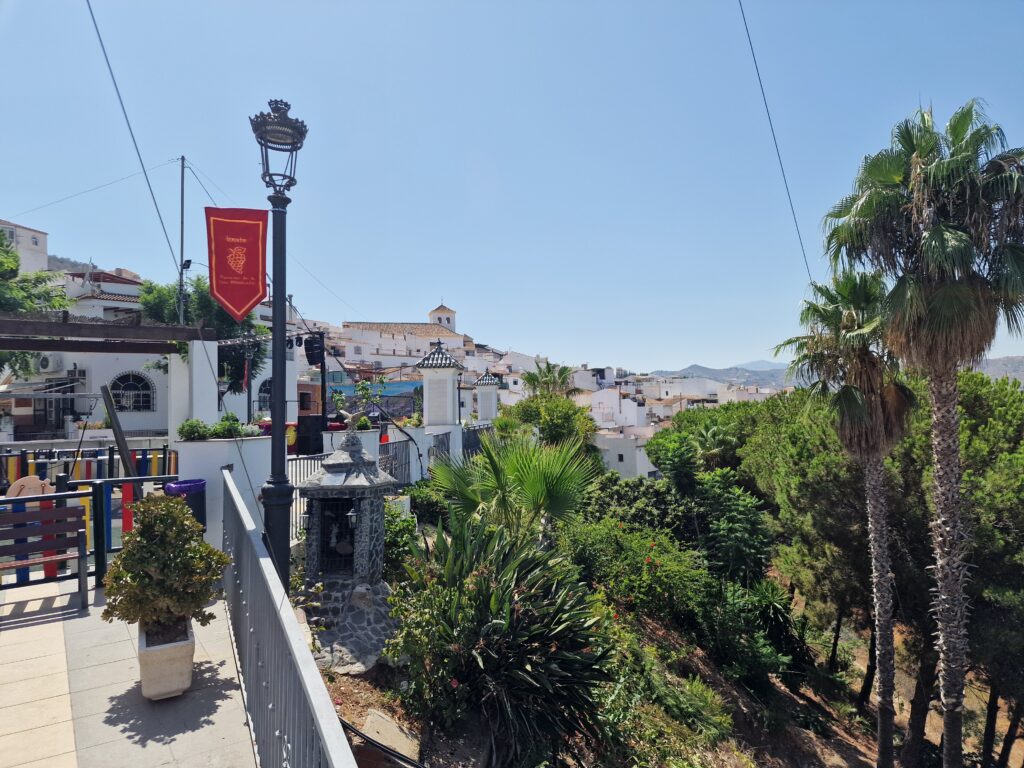
Leaving the valley floor behind, the roads begin to twist upward into the lower Axarquía hills toward Iznate. This pristine, quiet village is entirely untouched by commercial tourism. Iznate is famous for its steep, winding streets lined with colorful potted flowers and its deep connection to rural agriculture. This is the historic heart of muscatel grape production, where the world’s finest raisins are still dried by hand on open hillsides.
Highlight: Exploring the historic Moorish fountains hidden in the whitewashed residential alleys.
Stop 5: Frigiliana – The Crown Jewel of White Villages
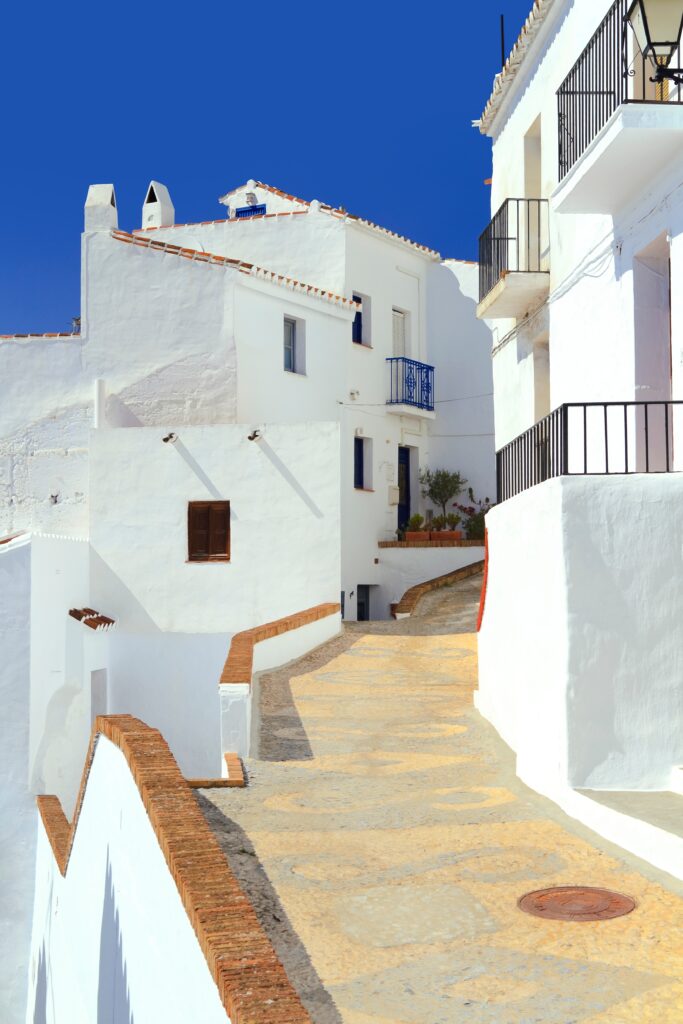
No exploration of the eastern coast is complete without visiting Frigiliana. Consistently voted one of the most beautiful villages in Spain, Frigiliana clambers up the side of the Sierra Almijara mountains. The historic upper quarter is a flawless example of Moorish architecture, featuring steep cobblestone steps, vibrant blue wooden doors, and cascading pink bougainvillea against chalk-white walls.
Highlight: Climbing to the very top of the old Moorish quarter for a sweeping view that carries your eye over the green valleys all the way down to the blue Mediterranean.
Where to Stay: Exceptional Accommodations in Eastern Costa del Sol
To fully absorb the peaceful, slow-paced magic of the eastern region after the day-trippers depart, spending a night or two here is highly recommended. Click “Check Availability” to secure the best rates for your holiday.
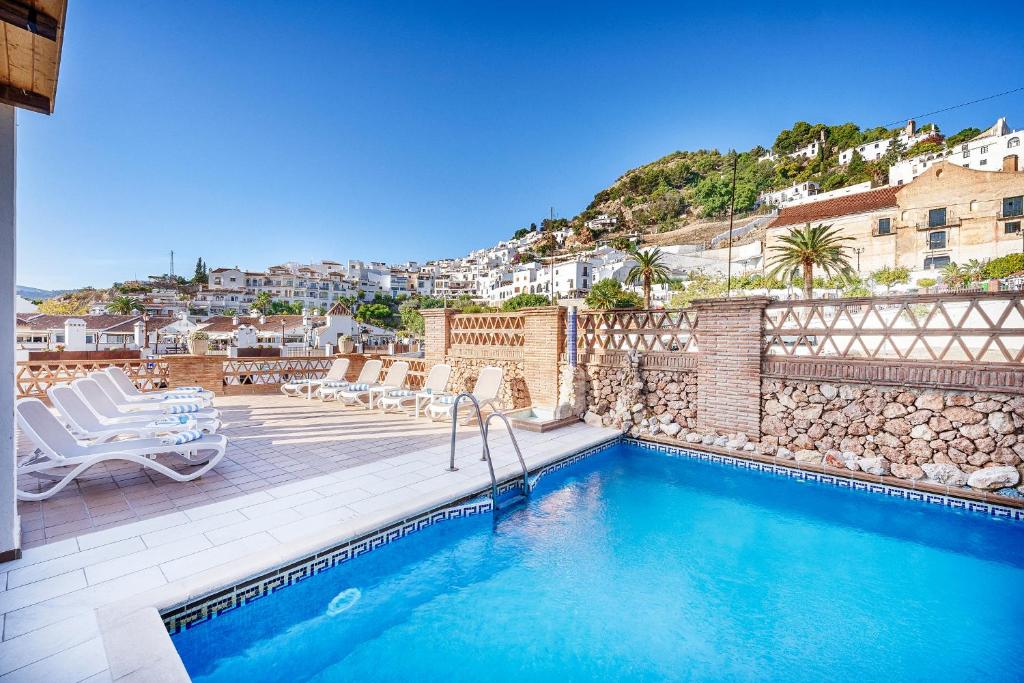
Set right at the scenic entrance of Frigiliana’s old historic quarter. This boutique property offers private balconies, an outdoor pool looking out over the mountain park, and a serene atmosphere that allows you to explore the village alleys in the quiet morning hours.
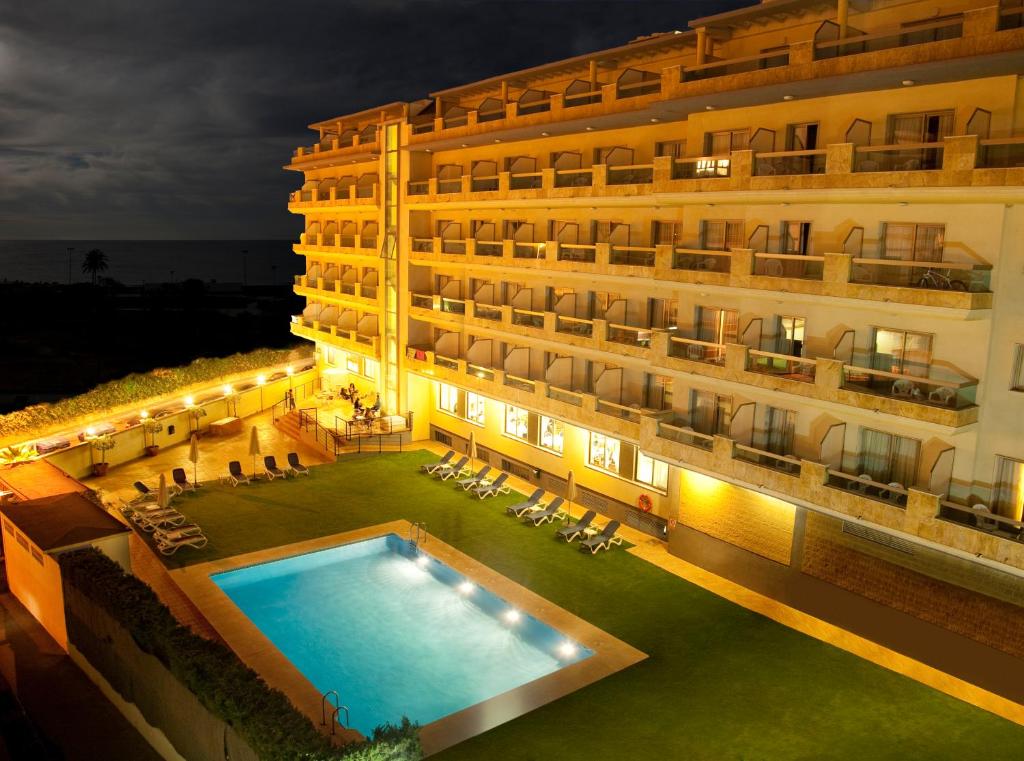
Perfectly positioned directly on the beachfront promenade of Torre del Mar. This excellent 4-star hotel features bright, spacious rooms, an outdoor pool terrace, and easy walking access to the town’s best seafood restaurants and local tapas bars.
Flavors and Traditions of the East
Discovering Axarquía is as much a culinary journey as it is a visual one. Because of its unique microclimate—sheltered by high mountains and warmed by the sea—the region is Europe’s primary producer of tropical fruits like mangos, avocados, and cherimoyas.
Inland, the focus turns to the famous Muscatel grapes. These are used to create the rich, sweet Málaga wines that have been celebrated since ancient times, as well as the intense, sun-dried raisins that you will find featured in local pastries and savory sauces. Don’t leave the region without trying ajoblanco, a refreshing, creamy cold summer soup made from garlic, crushed almonds, olive oil, and water, traditionally served with a handful of sweet local grapes.
This is the historic heart of muscatel grape production. To see how these traditions come alive in the local wineries, check out our full itinerary for Moclinejo and Benagalbón
Essential Tips for Your Axarquía Adventure
Embrace the Manual Drive: If you are renting a car, opting for a smaller model is highly beneficial. The streets inside villages like Iznate and Comares were built for pack animals, not modern cars, and navigating them requires patience and a compact vehicle.
Check the Calendar: The Axarquía loves to celebrate its harvests. If you travel during the late summer or autumn, look out for local festivals like the Día de la Pasa (Raisin Day) in El Borge or the Fiesta del Ajoblanco in Almáchar for an unforgettable cultural experience.