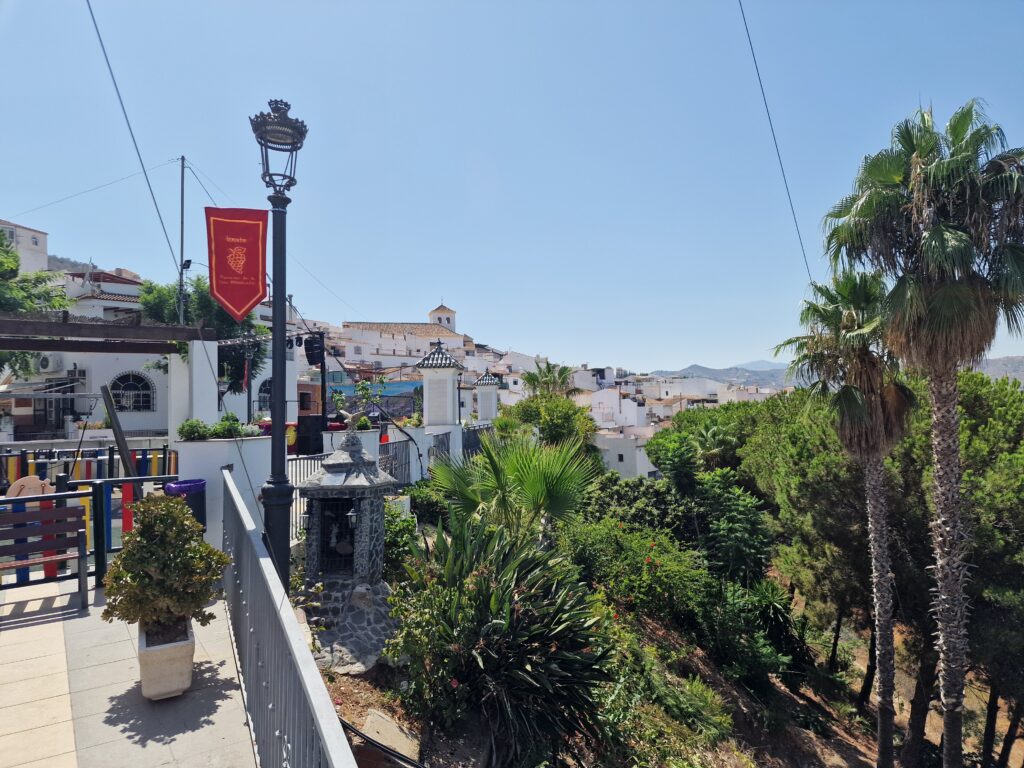
The Independent Guide to Costa del Sol Castles
The Costa del Sol is famous for beaches, beach clubs and sunshine. But look beyond the coastline and another landscape begins to emerge: steep hills, whitewashed villages and the remains of fortresses that once controlled the routes between the Mediterranean coast and the mountains.
Some of these sites are spectacularly preserved. Others are little more than walls and towers. A few are hidden above villages that most visitors never reach. And then there is Castillo de Colomares, which looks like something from a medieval dream but is actually a modern monument.
That distinction matters.
Rather than simply collecting everything with “castle” in its name, we have separated historic fortresses, alcazabas, urban fortifications and modern castle-style architecture. This is our independent guide to the castles and fortifications worth knowing about across the Costa del Sol and the wider Málaga province.
Our approach: We look at historical importance, atmosphere, views, accessibility and how rewarding a visit is for an independent traveller. Where a site is mainly ruins, we say so. Where it is not actually medieval, we say that too.
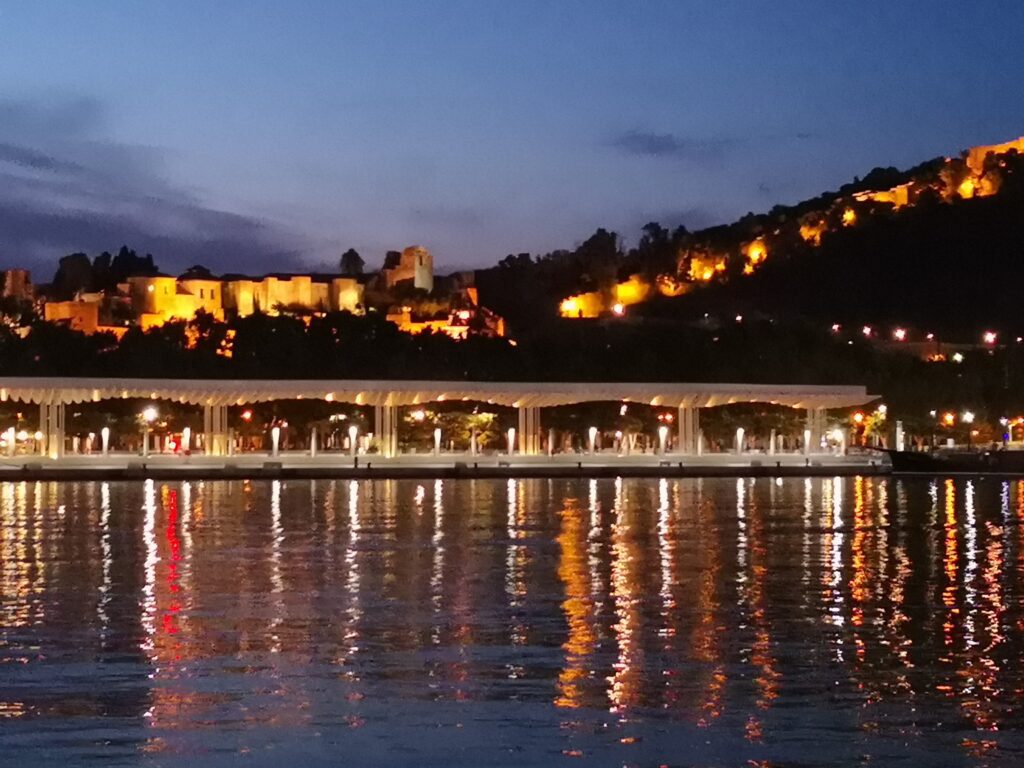
Castillo de Gibralfaro, Málaga
If you only have time for one castle in Málaga, make it Castillo de Gibralfaro.
The fortress sits high above the city on a hill overlooking Málaga, its port and the Mediterranean. Its origins are connected to the city’s Moorish period, and its hilltop position explains exactly why this was such a valuable defensive location.
Today, the biggest reward is the view.
From the fortress you can look down over Málaga’s historic centre, the harbour and the coastline. The climb also gives you a completely different perspective on the city compared with exploring at street level.
Gibralfaro is particularly easy to combine with the Alcazaba de Málaga, which sits immediately below it. The two sites are connected, and a combined ticket can make sense if you want to see both.
How to visit
You can walk uphill from the Alcazaba, although it is a steep climb. Alternatively, take a bus or taxi towards the top.
Best for: History, views and combining two major Málaga sights.
Time needed: Allow around 1 to 2 hours for the fortress and viewpoints.
Parking: Limited and best approached with care due to the hilltop location.
Travel tip: Gibralfaro is an excellent companion to our Costa del Sol Train Guide, especially for visitors arriving in Málaga by train.
Interactive Map
Local Tip: Use the layers menu on the top-left of the map to toggle between Train-Accessible Beaches, Family-Friendly spots, and wild natural coves.
Alcazaba de Málaga
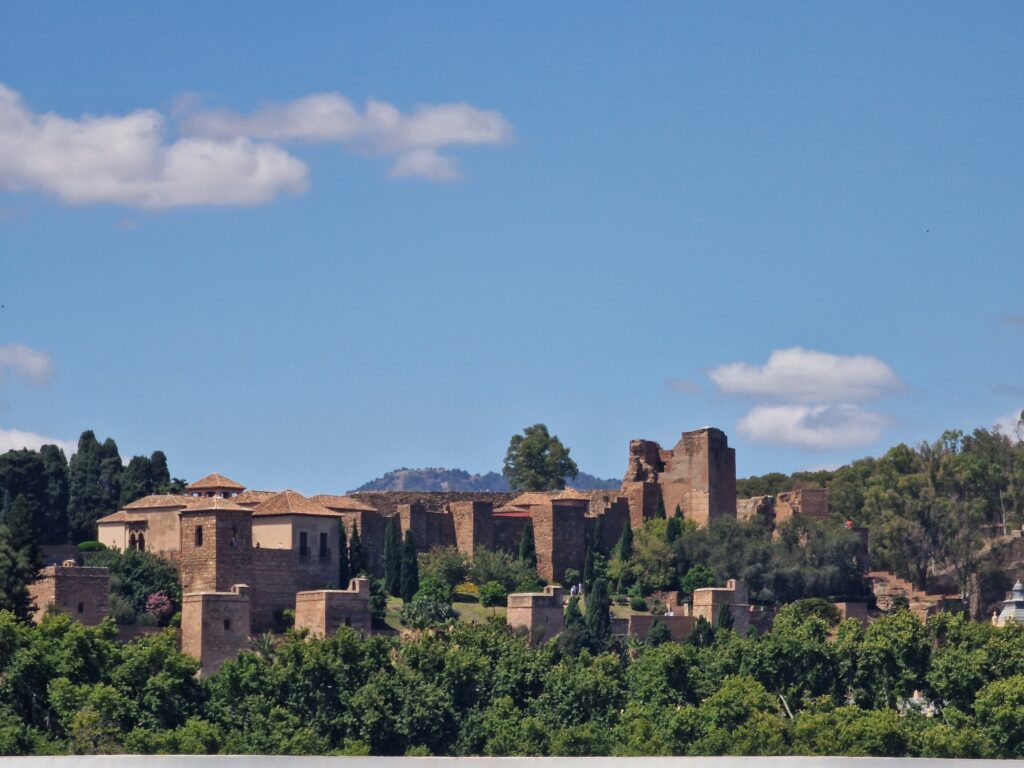
Despite often being grouped together with Gibralfaro, the Alcazaba de Málaga is a different kind of monument.
This is an alcazaba, meaning a fortified palace and seat of power rather than simply a military castle.
Built into the hillside below Gibralfaro, the complex combines defensive walls with courtyards, gardens and architectural details that reveal its role as a place of government and residence.
The setting is one of its greatest strengths. You can walk through the historic complex before emerging onto viewpoints overlooking Málaga and the harbour.
It also sits right in the middle of Málaga’s cultural district, making it particularly easy to combine with museums, the historic centre and the port.
How to visit
The Alcazaba is centrally located and easily reached on foot from Málaga’s historic centre.
Best for: Moorish architecture, history, gardens and first-time visitors to Málaga.
Time needed: Around 1 to 2 hours.
Parking: City-centre parking is generally the practical option rather than trying to park immediately beside the monument.
Worth knowing: If you are interested in the military history of the city, visit the Alcazaba and Gibralfaro together. They were part of the same defensive landscape, but they served different purposes.
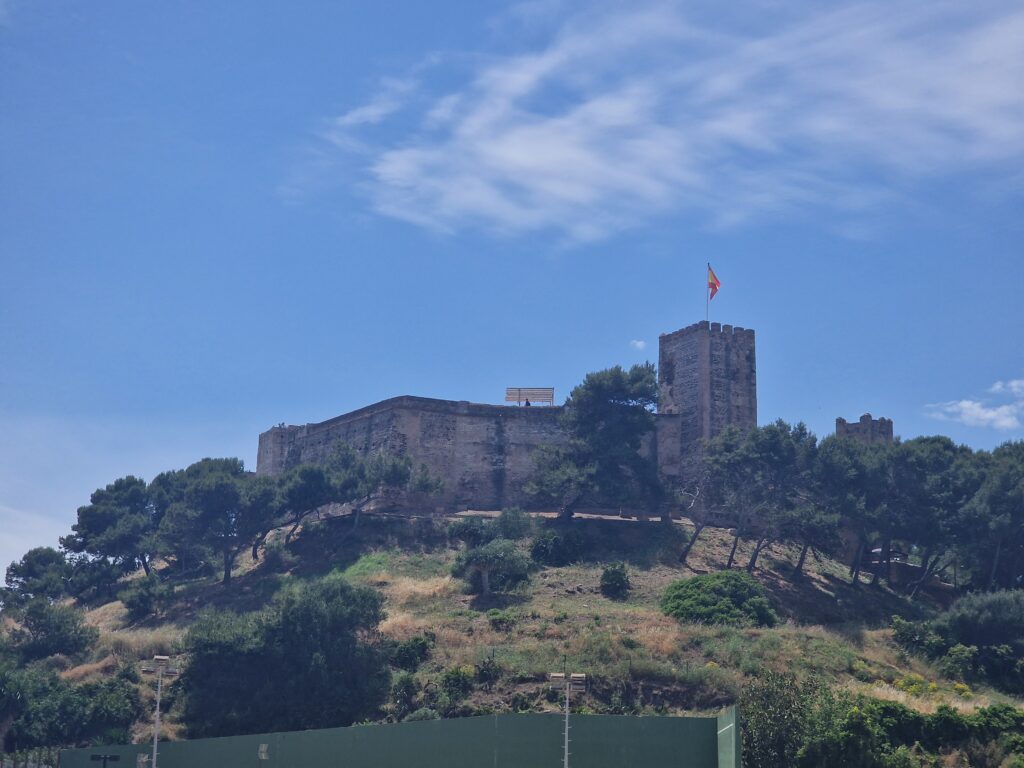
Castillo Sohail, Fuengirola
Few castles on the Costa del Sol combine history and modern life as naturally as Castillo Sohail.
The fortress stands approximately 38 metres above sea level beside the mouth of the Fuengirola River. Its origins go back to the 10th century, when it was built during the rule of Abd al-Rahman III.
Its position tells the story. From here, the coastline and river could be watched from a strategic elevated position.
Today, however, Sohail is far from a dead archaeological site. The fortress is regularly used for events, including the Marenostrum festival and medieval markets.
That makes the experience feel different from visiting a ruined hilltop castle.
How to visit
Entry is free. The castle has dedicated parking immediately nearby at Parking Castillo Sohail.
Best for: Families, history, events and travellers staying around Fuengirola.
Time needed: Around 1 hour, longer if an event is taking place.
Parking: Easy, with dedicated public parking beside the castle.
And if you are travelling without a car, this is one of the castles we particularly want to connect to our Costa del Sol Train Guide. Fuengirola is the final stop on the coastal Cercanías line, making Sohail one of the more practical historic fortresses to visit without renting a car.
Castillo de Casares
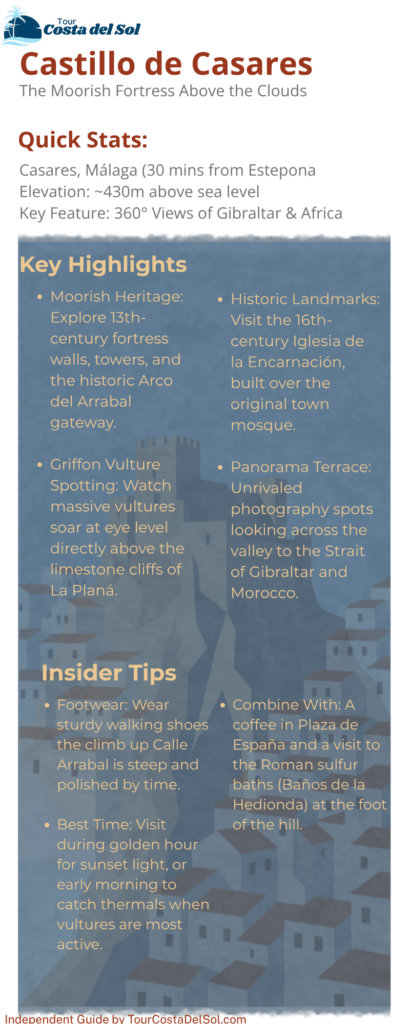
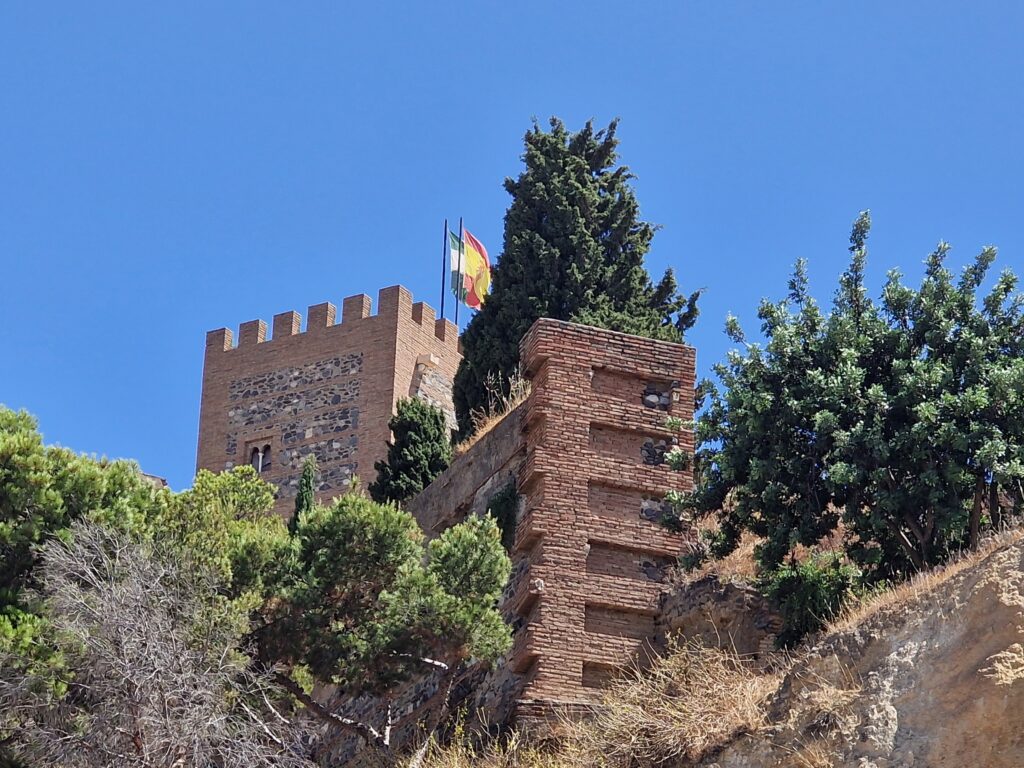
The castle ruins above Casares are one of the most atmospheric combinations of village and fortress on the Costa del Sol.
The remains occupy the summit above the famous whitewashed village. The castle is associated with the Moorish period, with a 13th-century Nasrid-era reference among the documented history.
Don’t expect a restored medieval castle with furnished rooms and polished courtyards.
This is a ruin.
And that is precisely the appeal.
The surviving remains sit among the landscape rather than being separated from it. Looking back down over Casares, with its white houses packed tightly against the hillside, gives you a sense of why this location mattered.
How to visit
The ruins are free and open access, with no fixed admission hours.
Best for: Views, photography, history and combining a castle with a white-village visit.
Time needed: Around 1 hour, although Casares deserves considerably longer.
Parking: Park in or around Casares and continue on foot.
Casares is already part of our wider coverage of the Costa del Sol’s white villages, so this is an easy castle-and-village combination for travellers who want to get beyond the beach resorts.
Alcazaba de Vélez-Málaga
The Alcazaba de Vélez-Málaga is particularly interesting because it introduces another important historical centre into the story.
Vélez-Málaga was one of the important cities of the Nasrid Kingdom of Granada, and its hilltop Alcazaba reflects that strategic importance.
The complex dates broadly from the 13th to 15th centuries and later took on a variety of roles, including royal residence, military headquarters, prison and town hall.
Today, gardens occupy part of the site, while the elevated position provides views across the surrounding Axarquía landscape.
For visitors staying around Torre del Mar, it is also a reminder that the history of this part of the coast is not actually concentrated beside the sea. The important medieval settlement was further inland.
How to visit
The Alcazaba occupies the highest part of Vélez-Málaga and can be combined with exploring the historic centre.
Best for: Moorish history, Axarquía culture and travellers looking beyond the coastal resorts.
Time needed: Around 1 hour.
Parking: Use town parking and continue uphill.
It also fits naturally with our existing Vélez-Málaga and Axarquía coverage and our wider guide to the Costa del Sol’s white villages.
Castillo de Marbella
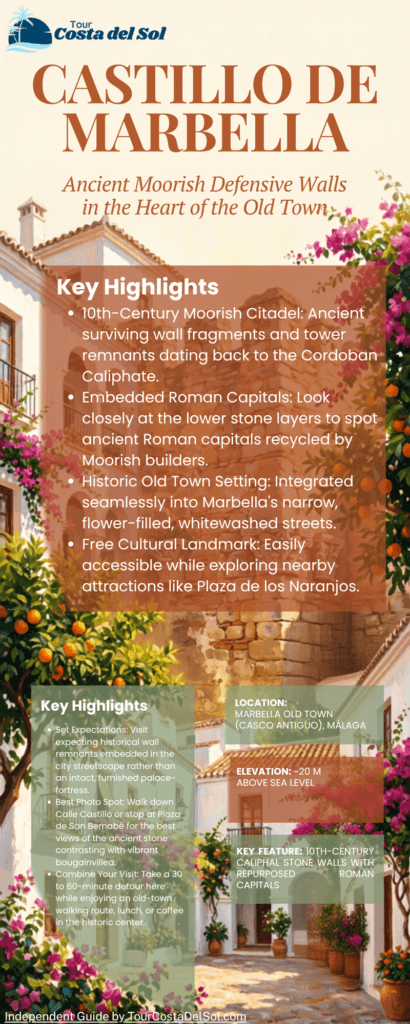
Marbella’s historic centre is usually associated with orange trees, whitewashed streets and expensive boutiques.
But above the old town are the remains of its Moorish defensive complex.
The Alcazaba de Marbella dates to the 10th century, although what visitors see today consists mainly of surviving walls and tower fragments rather than a complete castle.
That makes this a very different experience from Gibralfaro or Sohail.
It is worth visiting if you are already exploring the old town, but it is important to arrive with realistic expectations. You are coming to see remnants of a defensive structure, not an intact palace-fortress.
Best for: Marbella history, old-town walks and Moorish heritage.
Time needed: Around 30 to 60 minutes alongside the old town.
Castillo de Colomares, Benalmádena
Now for the castle that breaks all the rules.
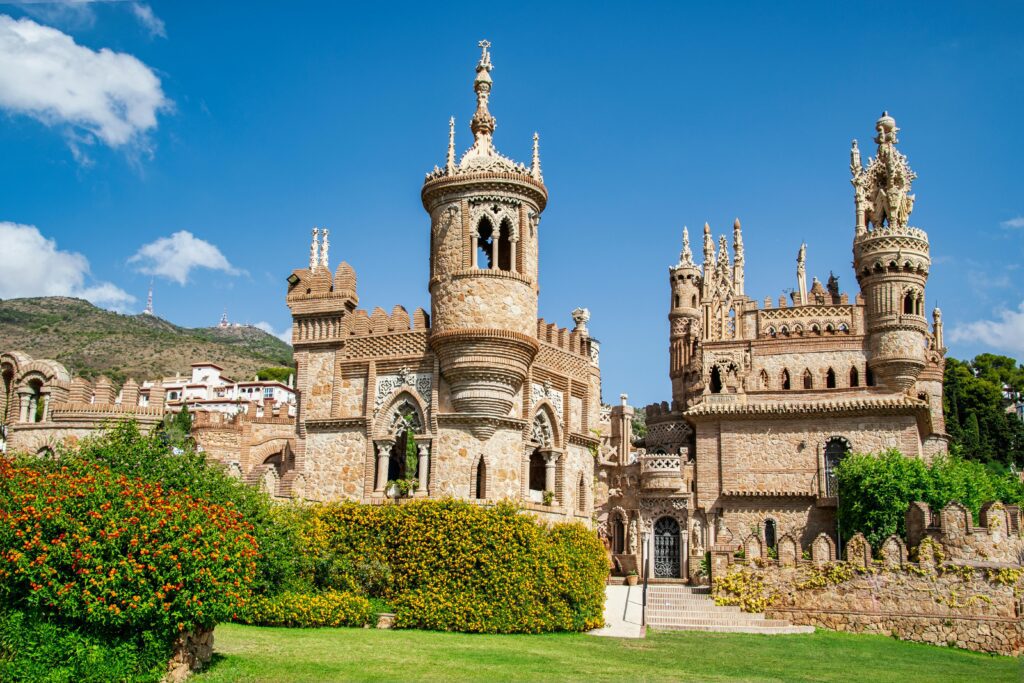
Castillo de Colomares looks medieval. It has towers, battlements, arches and an almost fantastical mixture of architectural styles.
But it is not a medieval castle.
The monument was created in the late 20th century as a tribute to Christopher Columbus and the discovery of America. Its architecture combines neo-Romanesque, neo-Gothic and neo-Mudéjar influences.
That makes it impossible to classify alongside Gibralfaro or Casares without an explanation.
We think it belongs in this guide precisely because travellers search for it as a castle experience, but we would never present it as an ancient fortress.
It is also remarkably photogenic, and the compact site makes it an easy addition to a Benalmádena itinerary.
How to visit
Colomares is a ticketed attraction and generally requires around 30 to 60 minutes.
Best for: Photography, architecture, families and something completely different.
Time needed: 30 to 60 minutes.
Our classification: Modern Castle-Style Monument
That label may sound like a small distinction, but for an independent guide it matters. We would rather tell you exactly what you are looking at than let a dramatic silhouette create the wrong historical impression.
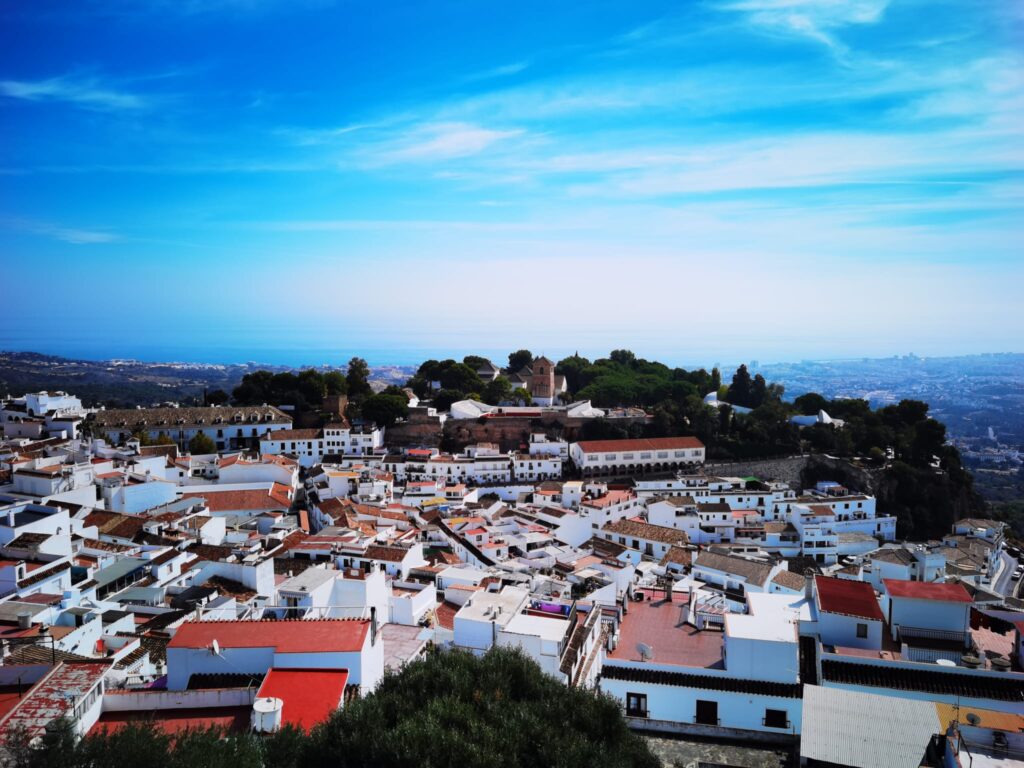
Worth Going Further Inland
Not every worthwhile fortress is actually on the Costa del Sol coastline.
If you have a car and want to turn your beach holiday into a broader exploration of Málaga province, several inland sites deserve consideration.
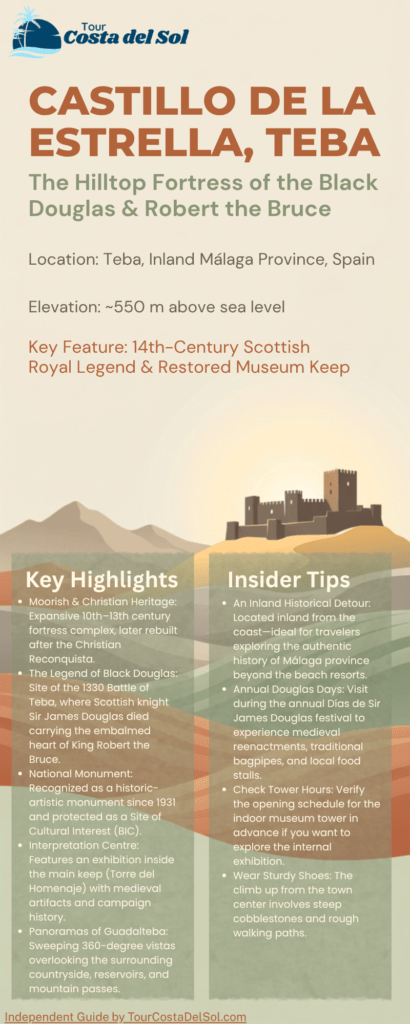
Castillo de la Estrella, Teba
The Castillo de la Estrella is one of the most unusual historical detours in this guide.
The fortress in Teba has Moorish origins and was later expanded and occupied during the Christian period. Its importance was recognised with National Monument status in 1931 and BIC status in 1949.
But the reason international visitors may find Teba particularly fascinating is the story of Sir James Douglas, known as the Black Douglas.
In 1330, the Scottish nobleman died during a campaign in this region while carrying the embalmed heart of Robert the Bruce in a silver casket.
It is an extraordinary connection between medieval Málaga and Scottish history.
Inside the site is also an interpretation centre dedicated to the campaign.
Best for: Medieval history, Robert the Bruce story and serious history enthusiasts.
Important: Teba is inland Málaga province, not coastal Costa del Sol. We would present it as a worth-the-detour destination rather than pretending it is a beachside attraction.
Castillo de Bentomiz, Arenas
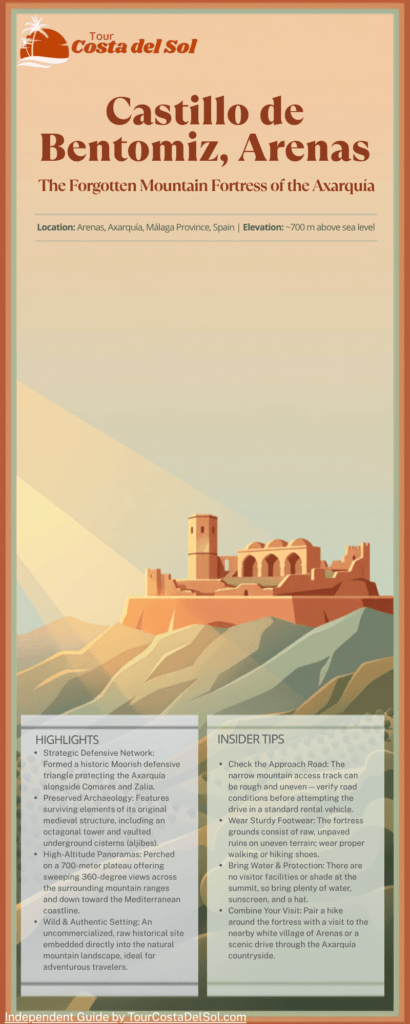
High above the Axarquía sits Castillo de Bentomiz, one of the region’s lesser-known Moorish fortresses.
The site occupies a high plateau at roughly 700 metres and formed part of a defensive triangle with Comares and Zalia.
What makes Bentomiz particularly interesting is how much of its original layout can still be understood. An octagonal tower and vaulted cisterns survive among the ruins.
This is the sort of place that appeals to travellers who prefer archaeology and landscape to polished tourist attractions.
Best for: Ruins, mountain landscapes and adventurous travellers.
Castillo del Águila, Gaucín
Perched above Gaucín, Castillo del Águila takes the hilltop-fortress concept to another level.
The Moorish fortress overlooks the Serranía de Ronda, with views extending towards Gibraltar on clear days.
The setting is the real attraction. You are no longer looking over a densely developed coastal resort. Instead, the landscape opens into mountains, valleys and distant Mediterranean horizons.
Best for: Mountain scenery, Gibraltar views and combining a castle with a white village.
Gaucín is not currently part of our core seven “Hidden Villages” selection, so this should be treated as an additional inland recommendation rather than automatically folded into that guide.
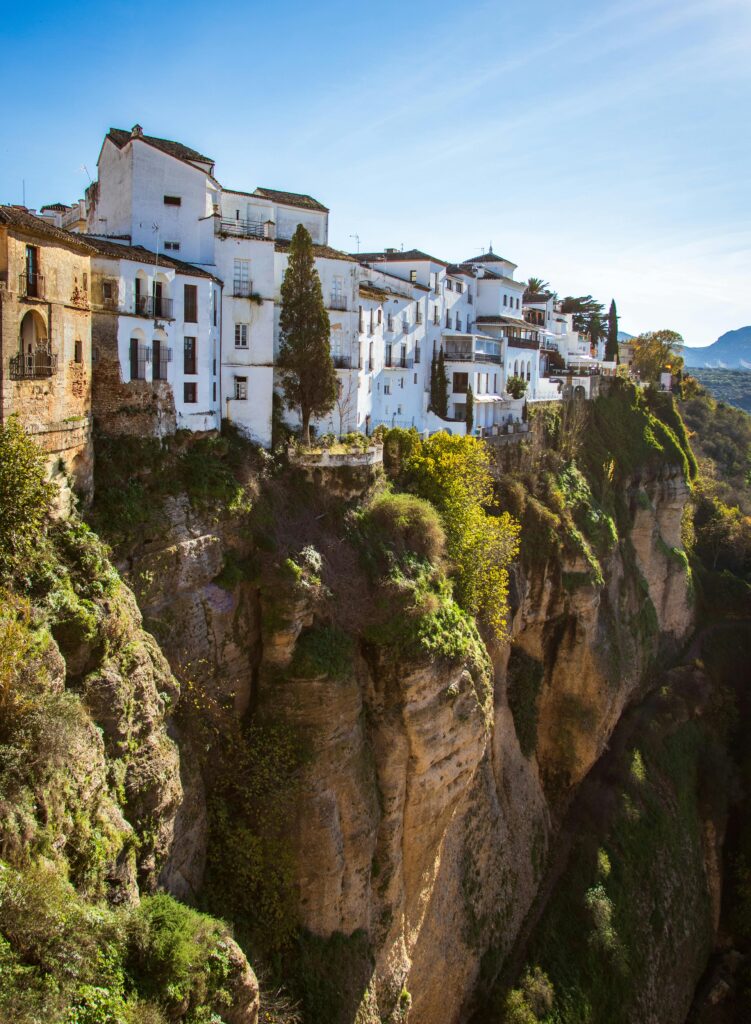
Ronda's Moorish Walls and Gates
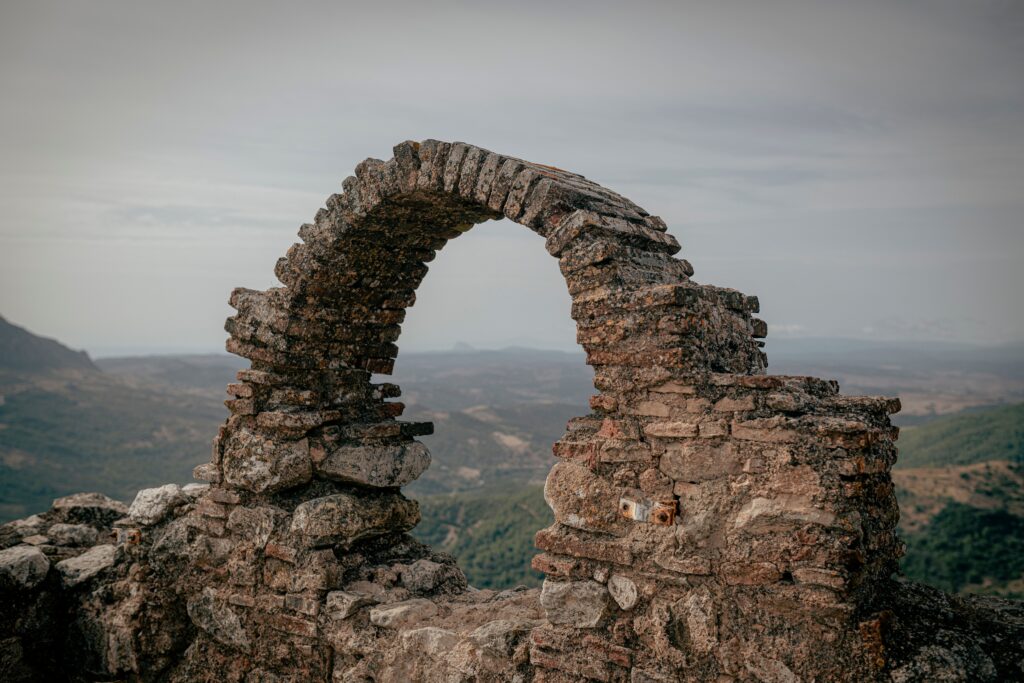
Ronda does not really have a single castle that belongs in a list like this.
What it does have is a remarkable system of urban fortifications.
The medieval walls protected the old city, while gates such as Puerta de la Almocábar remain important reminders of Ronda’s strategic position.
This distinction is worth making because calling the entire complex a castle would be misleading.
Instead, think of it as a fortified city.
And Ronda itself is already one of the strongest inland destinations in our Costa del Sol white villages guide.
Best for: Medieval architecture, history and combining fortifications with a full Ronda visit.
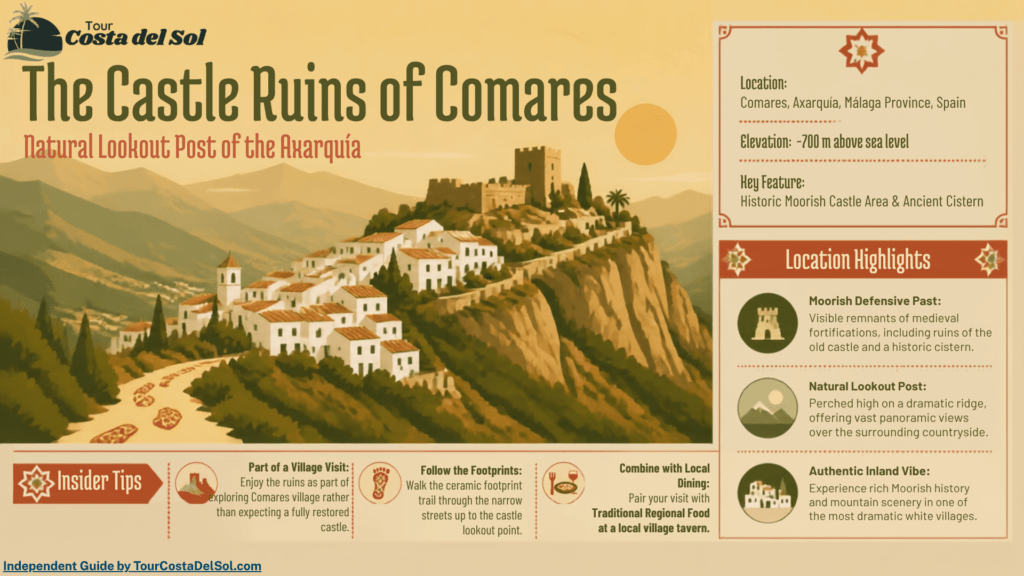
The Castle Ruins of Comares
Comares is one of the most dramatic hilltop villages in the Axarquía, and its elevated position was not accidental.
The village’s Moorish past is still visible in the remains of its defensive structures, including the old castle area and historic cistern.
Today, the bigger attraction may be the landscape.
Comares rises dramatically above the surrounding countryside, giving visitors the feeling of standing on a natural lookout post over the Axarquía.
For that reason, we would recommend experiencing the ruins as part of a Comares village visit, rather than travelling there expecting a fully preserved castle.
Best for: Moorish history, mountain scenery and authentic inland Andalucía.
What About Antequera and Archidona?
Both deserve a mention, but we have deliberately kept them outside the main Costa del Sol castle selection.
Archidona has an impressive Andalusí castle complex on the Sierra de Gracia, including its defensive enclosure, gate and cistern.
Antequera has an important Alcazaba, including the imposing Torre del Homenaje, alongside the Real Colegiata de Santa María la Mayor.
Both are excellent historical destinations.
But they also take you substantially farther inland.
For a guide specifically targeting Costa del Sol castles, we think the distinction is useful. Rather than stretching the definition of Costa del Sol simply to increase the number of castles, we would put these destinations into a future “Beyond the Coast” section or a separate Málaga province history guide.
Which Costa del Sol Castle Should You Visit?
If you are trying to choose just one, the answer depends on what you want.
| Castle / Fortress | Best For | Setting | Historical Type |
|---|---|---|---|
| Gibralfaro | Views + major history | Málaga city | Moorish fortress |
| Alcazaba de Málaga | Architecture + gardens | Málaga city | Alcazaba |
| Sohail | Families + events | Fuengirola | Moorish fortress |
| Casares | Ruins + white village | Casares | Moorish castle |
| Vélez-Málaga | Axarquía history | Inland town | Alcazaba |
| Marbella | Old-town history | Marbella | Alcazaba/fortification |
| Colomares | Architecture + photography | Benalmádena | Modern monument |
| Teba | Medieval stories | Inland Málaga | Christian-era castle |
| Bentomiz | Remote ruins | Axarquía mountains | Moorish fortress |
| Gaucín | Mountain views | Serranía de Ronda | Moorish fortress |
| Ronda | Fortified city | Inland Málaga | Urban fortification |
| Comares | Village + landscape | Axarquía mountains | Moorish ruins |
Castles, Tours and Experiences
A castle is often much more rewarding when it forms part of a wider day rather than being treated as a standalone attraction.
For Málaga, for example, you can combine the Alcazaba and Gibralfaro with the historic centre, museums and the port. In Fuengirola, Sohail Castle fits naturally into a beach-and-promenade day. Inland, Casares, Comares and Gaucín make more sense as part of a wider white-village or mountain itinerary.
If you would rather leave the driving and historical logistics to someone else, this is also where a guided experience can make sense.
Explore castle, history and cultural experiences across the Costa del Sol with GetYourGuide.
Where to Stay for a Castle-Focused Costa del Sol Trip
You do not need to stay in a remote mountain village to explore the region’s fortresses.
For a first visit, Málaga is arguably the strongest base for Gibralfaro and the Alcazaba, while Fuengirola works particularly well for Sohail and the western section of the coast.
For travellers who want to combine castles with white villages, a stay around Mijas, Marbella, Casares or the Axarquía gives you a different experience and puts you closer to the inland landscape.
If you prefer to combine sightseeing with beach time, our Costa del Sol Travel Guides hub is a useful place to plan the rest of your itinerary.
Recommended hotel options:
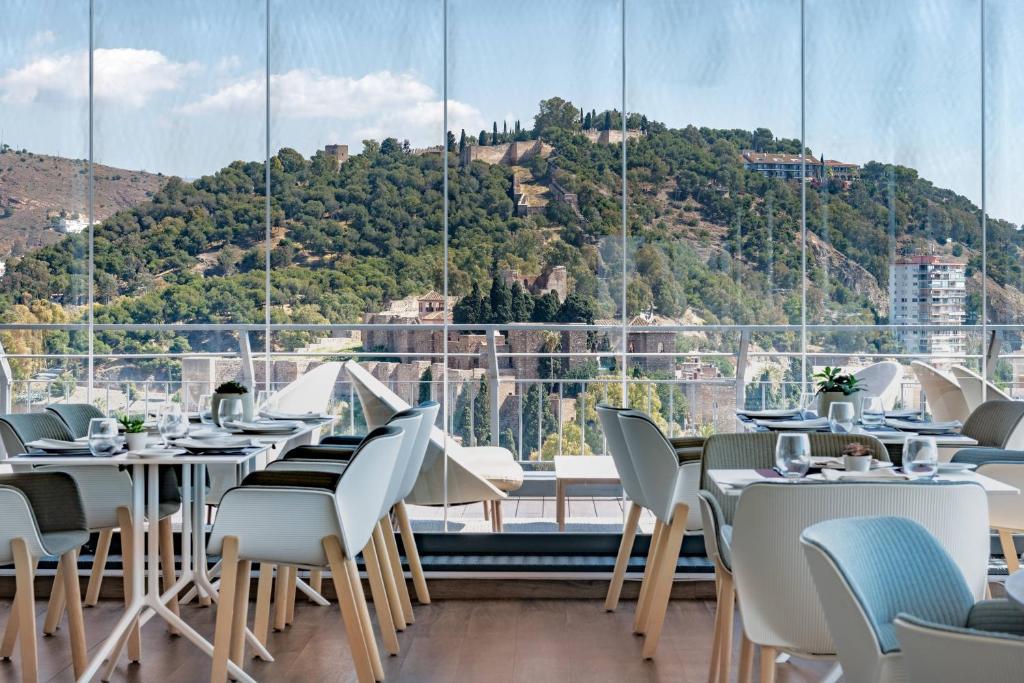
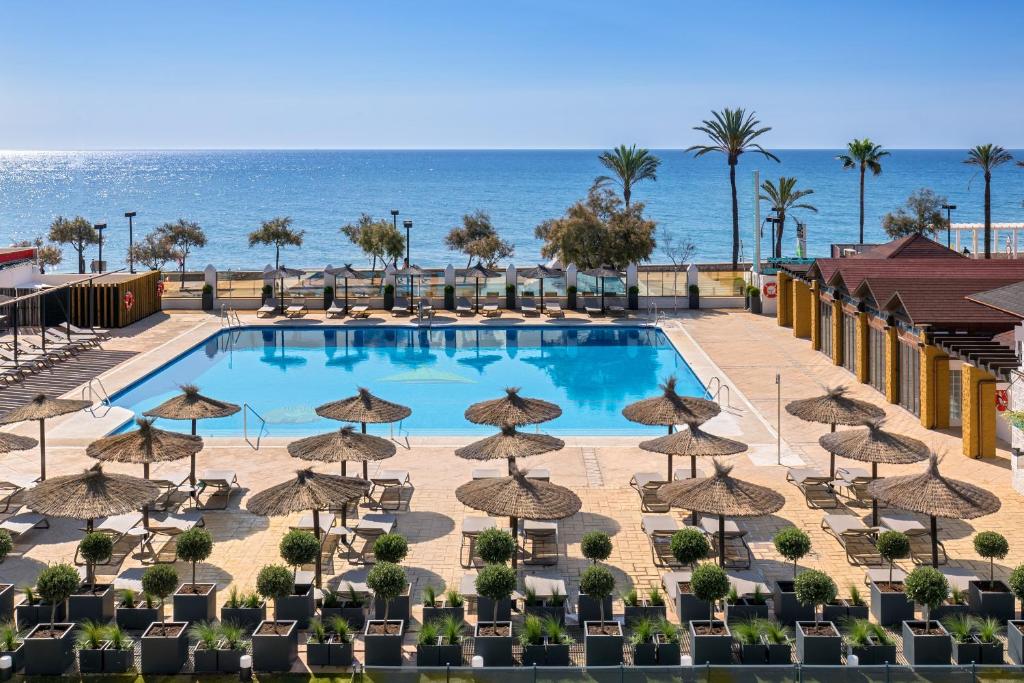
Stay in central Málaga if Gibralfaro and the Alcazaba are high on your list. You can explore much of the historic centre on foot and use public transport for the hilltop fortress.
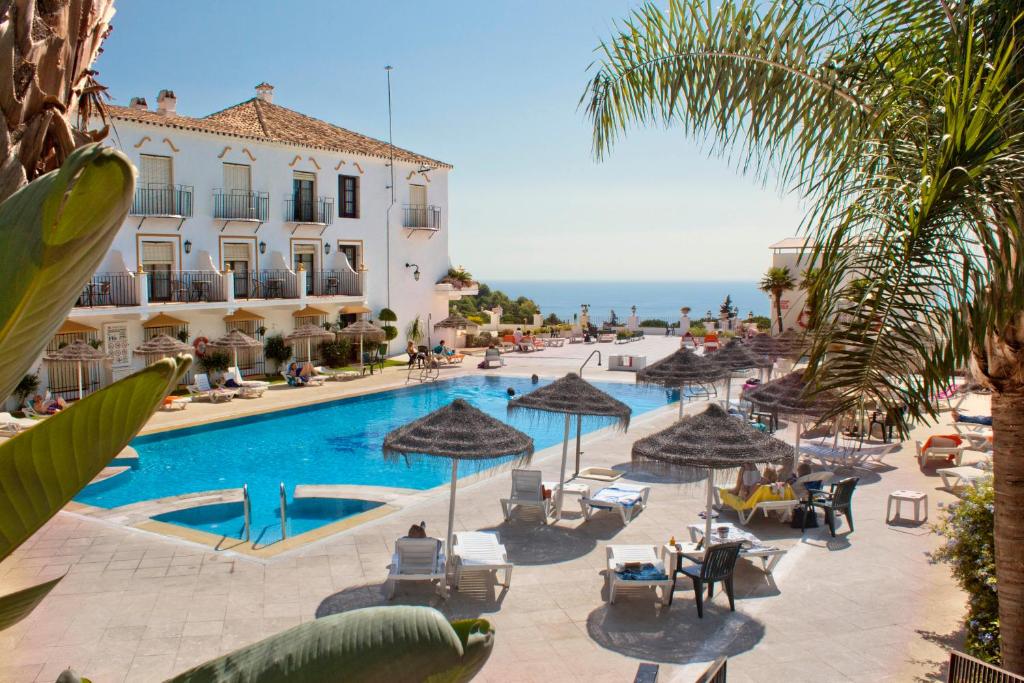
Fuengirola makes an excellent base for Sohail Castle while also giving you easy access to the beach, promenade and coastal train.
Mijas Pueblo offers a very different atmosphere, particularly if your castle trip is part of a wider exploration of the Costa del Sol’s mountain villages.
Our Take: Why the Castles Matter
The most interesting thing about the Costa del Sol’s castles is not actually the castles themselves.
It is what they reveal about the landscape.
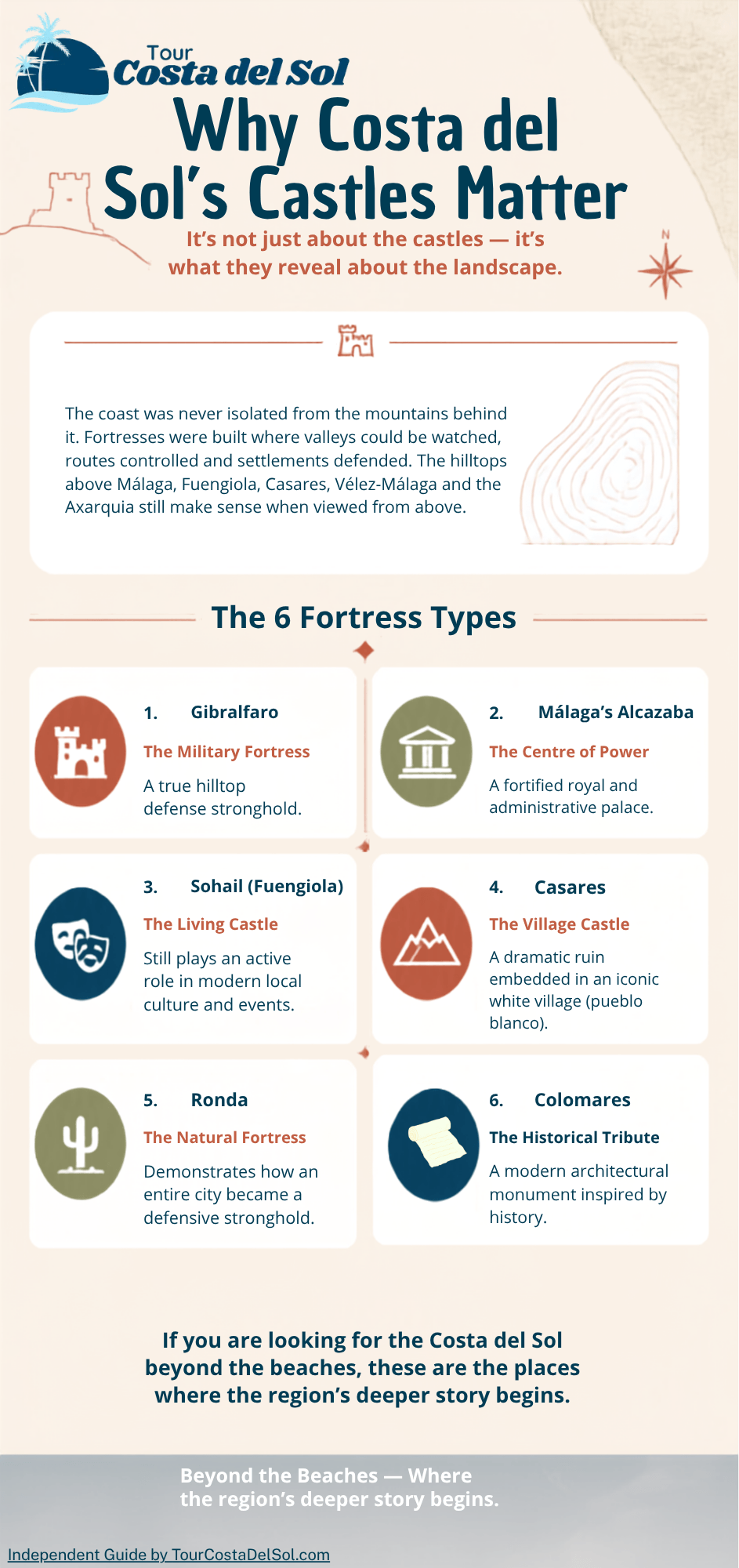
The coast was never isolated from the mountains behind it. Fortresses were built where valleys could be watched, routes controlled and settlements defended. The hilltops above Málaga, Fuengirola, Casares, Vélez-Málaga and the Axarquía still make sense when you look at the geography from above.
And that is why we have deliberately included different types of fortification in this guide.
Gibralfaro is a true hilltop military fortress.
Málaga’s Alcazaba was a fortified centre of power.
Sohail still has a role in modern local life.
Casares is a ruined castle embedded in a spectacular white village.
Ronda demonstrates how an entire city could become a defensive stronghold.
And Colomares reminds us that sometimes a “castle” is actually a modern monument inspired by history.
That distinction is part of what makes exploring them worthwhile.
If you are looking for the Costa del Sol beyond the beaches, these are some of the places where the region’s deeper story begins.
Explore More of Costa del Sol
If castles have inspired you to explore beyond the resort strip, continue with our independent guides:
- Costa del Sol White Villages for Mijas, Ronda, Casares, Comares and other mountain communities.
- Costa del Sol Train Guide for planning car-free trips along the coast.
- Independent Costa del Sol Beach Guide when you are ready to return to the Mediterranean.
- All Costa del Sol Travel Guides for our complete collection of independent guides.
- Costa del Sol Day Trips from Málaga for more ideas beyond the coastal train line.
Tour Costa del Sol is an independent guide to the region’s best places, experiences and ways to explore them. We focus on useful information, honest descriptions and first-hand recommendations rather than simply repeating the standard tourist list.