
Moclinejo & Benagalbón: The Secret Wine and Culture Route Just Behind Málaga
When planning a trip along the eastern coast of Málaga, most travelers stick closely to the shoreline. They zip past the hills, keeping their eyes on the sand and the sea. But if you take a sharp turn inland just where the coastal breeze meets the mountains, you will unlock a side of Andalusia that feels like a well-kept secret.
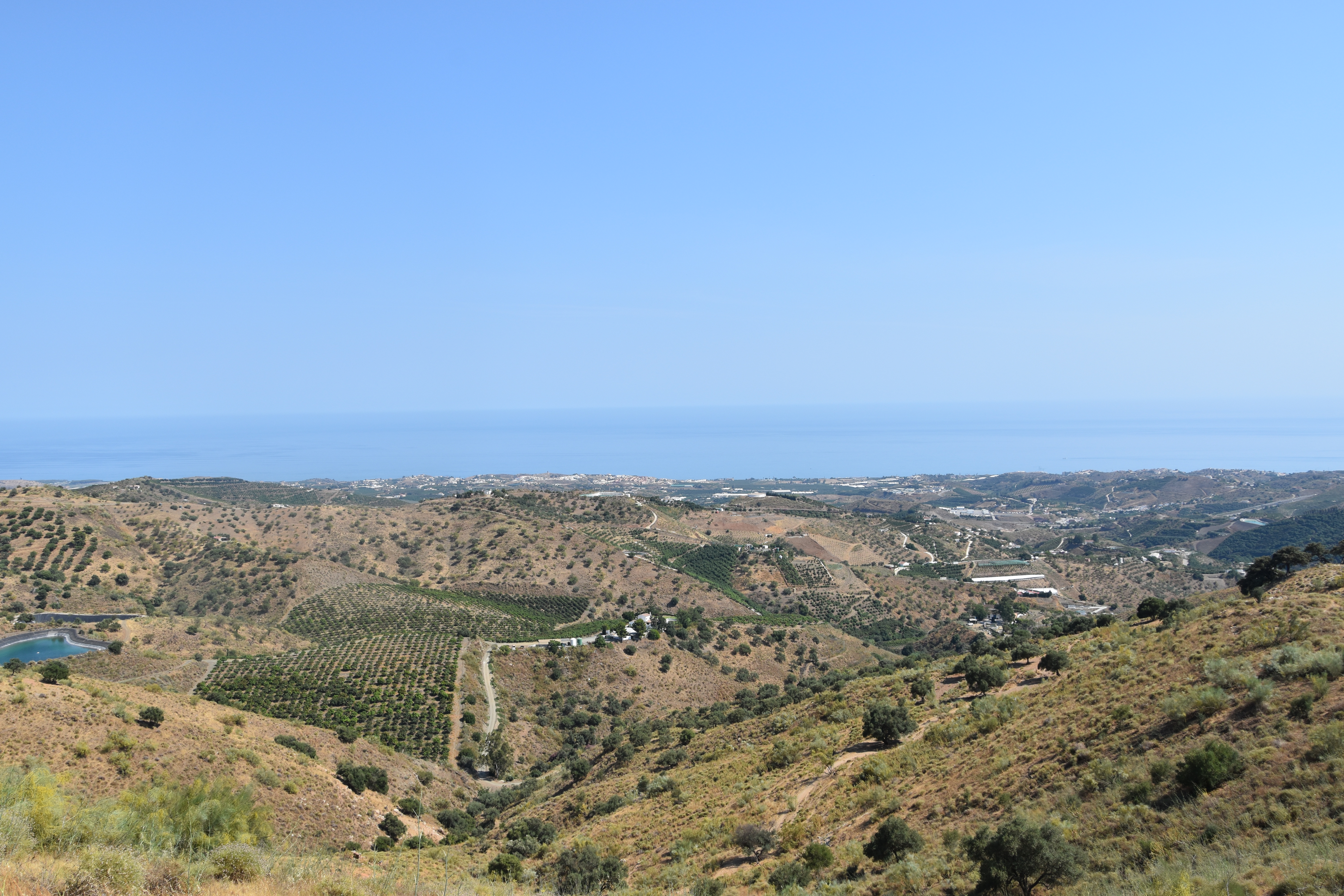
Nestled into the rolling hills of the lower Axarquía region lie Moclinejo and Benagalbón. These two charming, whitewashed villages offer the ultimate escape for anyone wanting to swap the standard beach crowds for authentic cultural heritage, centuries-old wine traditions, and scenic mountain views—all within a 25-minute drive of Málaga city center.
Here is your ultimate guide to exploring these two interconnected gems on a perfect day trip.
Moclinejo: The Historic Gateway to the Raisin and Wine Route
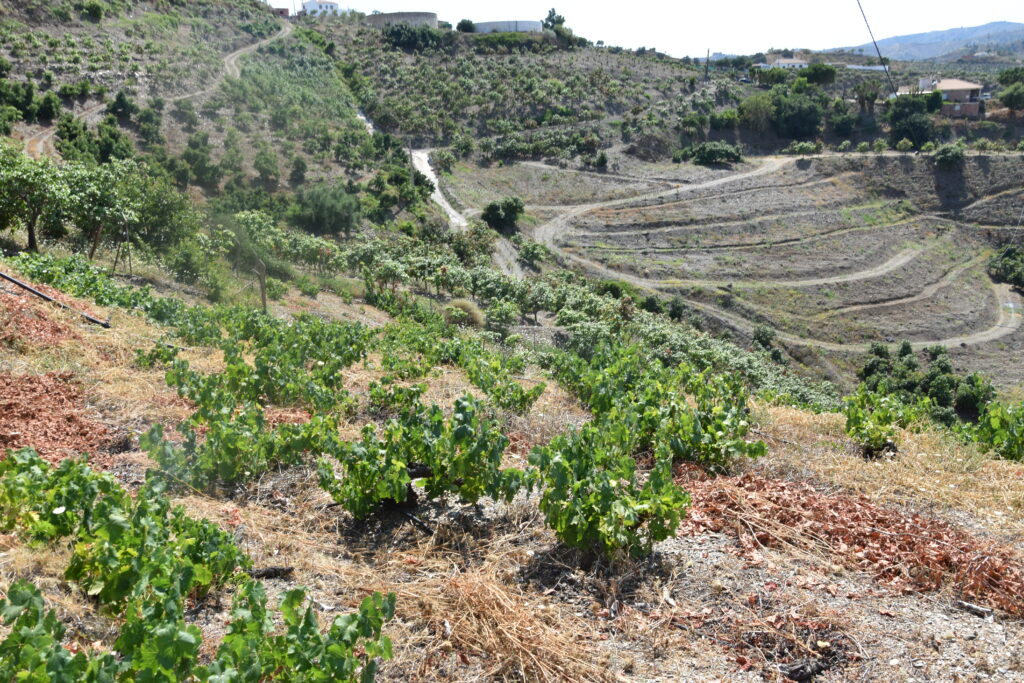
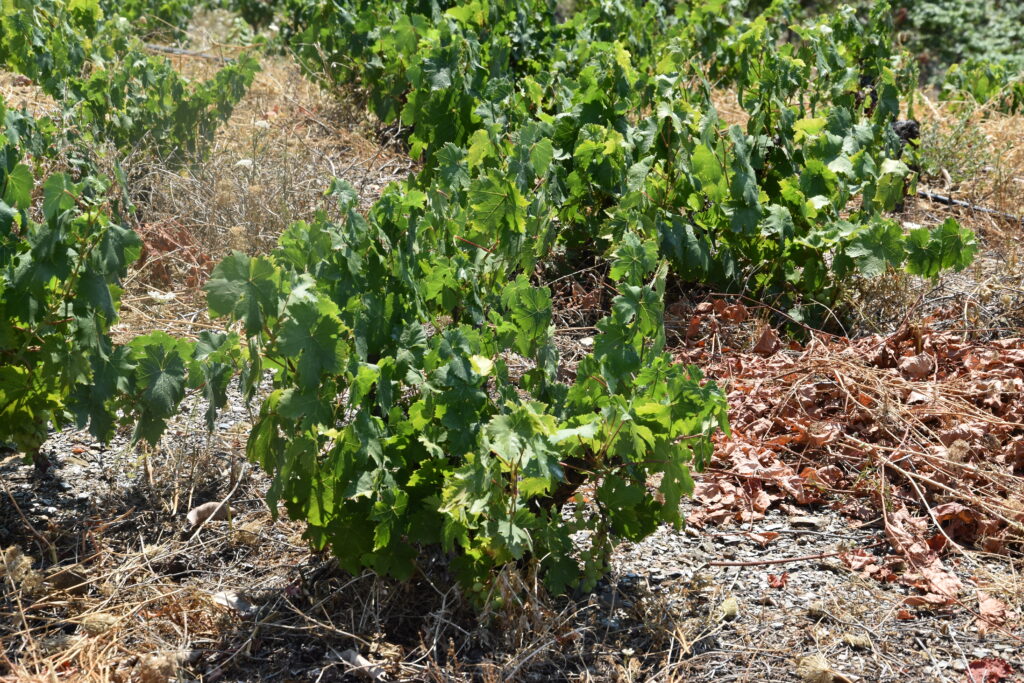
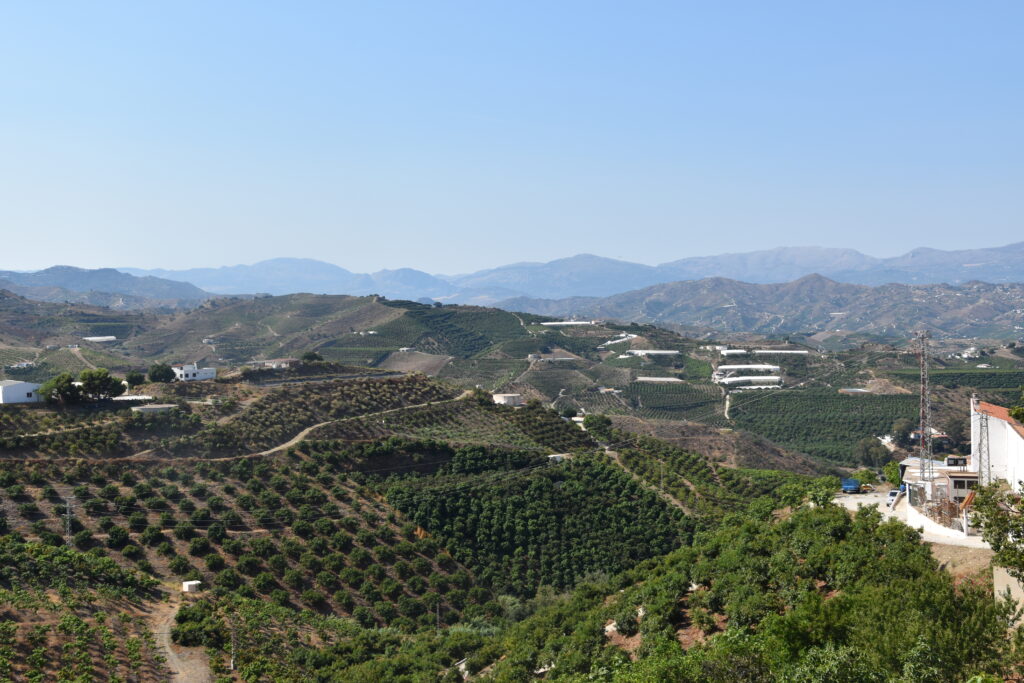
As you drive up the winding roads from the coast, the landscape changes drastically. The modern apartments give way to steep hillsides covered in ancient olive groves, almond trees, and, most importantly, endless rows of rugged vineyards. This is the territory of the famous Muscatel grape, and Moclinejo is proudly known as the gateway to the Ruta de la Pasa (The Raisin Route).
Moclinejo is a classic pueblo blanco (white village) where time seems to move a little slower. The streets are narrow, beautifully preserved, and decorated with bright, colorful flowerpots that pop against the chalk-white walls.
The Art of the Paseros
One of the most fascinating things you will notice on the hillsides surrounding Moclinejo are the paseros. These are large, rectangular, inclined concrete beds built directly into the sunny slopes.
For generations, local families have used these beds to dry the harvested Muscatel grapes under the intense Andalusian sun, turning them into sweet, rich raisins. This traditional method is so unique and culturally significant that it has been recognized globally for its preservation of agricultural heritage.
A Taste of Sweet History at Bodegas Muñoz
You cannot truly experience Moclinejo without tasting its liquid gold. The village is home to traditional wineries, with Bodegas Antonio Muñoz Cabrera (Dimobe) being the historic heart of local production.
Step inside to see old oak barrels, traditional grape presses, and a fascinating collection of historical winemaking tools. The sweet Muscatel wines produced here have been celebrated since ancient times and make the perfect souvenir to take home.
Benagalbón: A Stronghold of Authentic Andalusian Folk Culture
Just a short, scenic drive across the hillside ridges brings you to Benagalbón. Technically a part of the Rincón de la Victoria municipality, this pristine village feels worlds apart from the modern coastal strip below it.
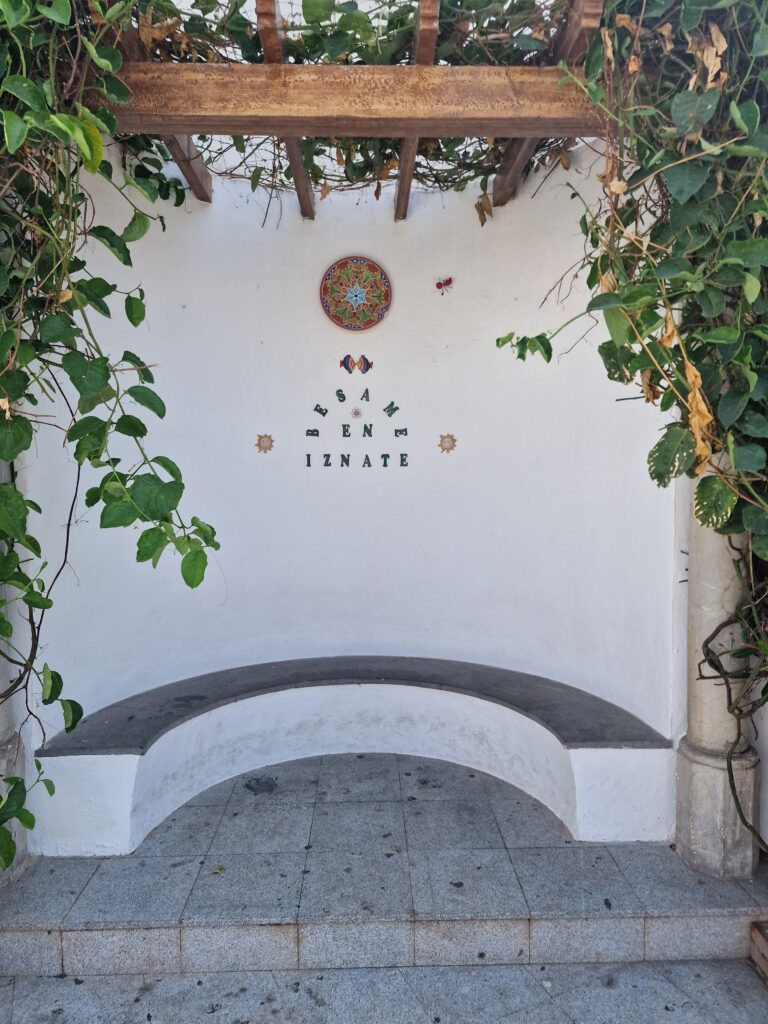
Benagalbón has fiercely guarded its traditional layout and cultural identity. Walking through its steep, quiet alleys feels like stepping back into the 19th century. The village center revolves around a charming plaza where older locals gather in the shade to chat, creating an atmosphere that is impossible to replicate in the heavy tourist zones.
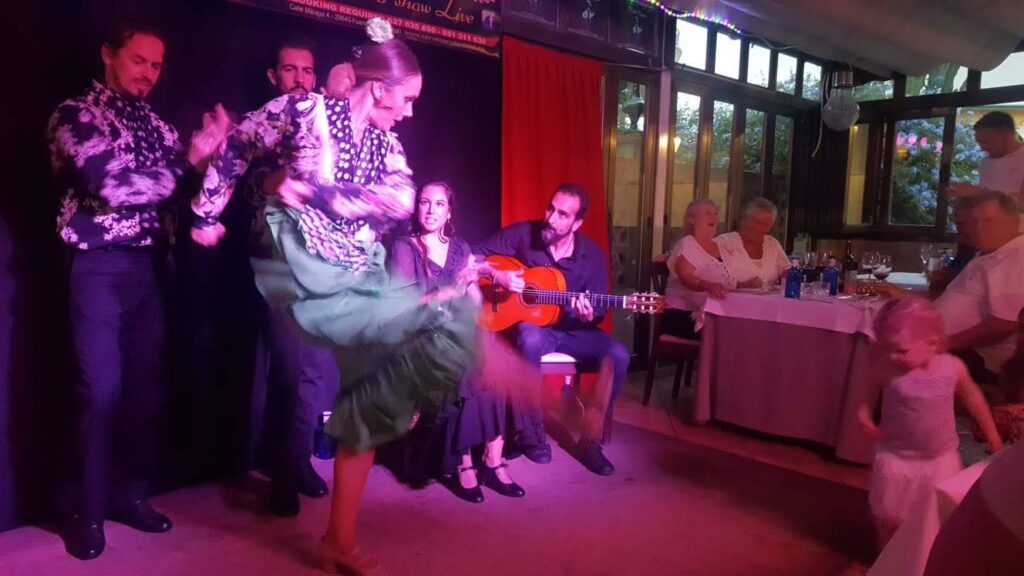
The Home of the Fiesta de Verdiales
If Benagalbón is famous for one thing across the Málaga province, it is its deep connection to Verdiales. This is an ancient, energetic form of traditional flamenco folk music and dance unique to the mountains of Málaga. The performers wear elaborate, colorful hats decorated with mirrors, ribbons, and flowers, playing a fast-paced rhythm using guitars, violins, tambourines, and cymbals.
Every year in September, the village hosts the legendary Fiesta-Concurso de Verdiales. The narrow streets explode with sound, dance, and local wine as traditional musical groups (called pandas) compete against each other. If you are lucky enough to visit during this time, it is an unforgettable cultural spectacle.
Exploring the White Towns: Connecting Your Journey
Moclinejo and Benagalbón are fantastic representations of the region’s hidden interior. Because they are located so close to the provincial capital, they serve as an ideal introduction for travelers who want to explore the famous top white towns in Andalusia without committing to hours of driving into the deep mountains.
If you are basing yourself on the coast, combining these two villages with a visit to the nearby coastal cliffs and historical attractions makes for a flawless itinerary. For instance, you can easily spend a morning exploring the historic marine caves of Rincón de la Victoria before heading up into the hills of Moclinejo for a late lunch and a wine tasting. It gives you the perfect contrast of sun, sea, and rural history in a single day.
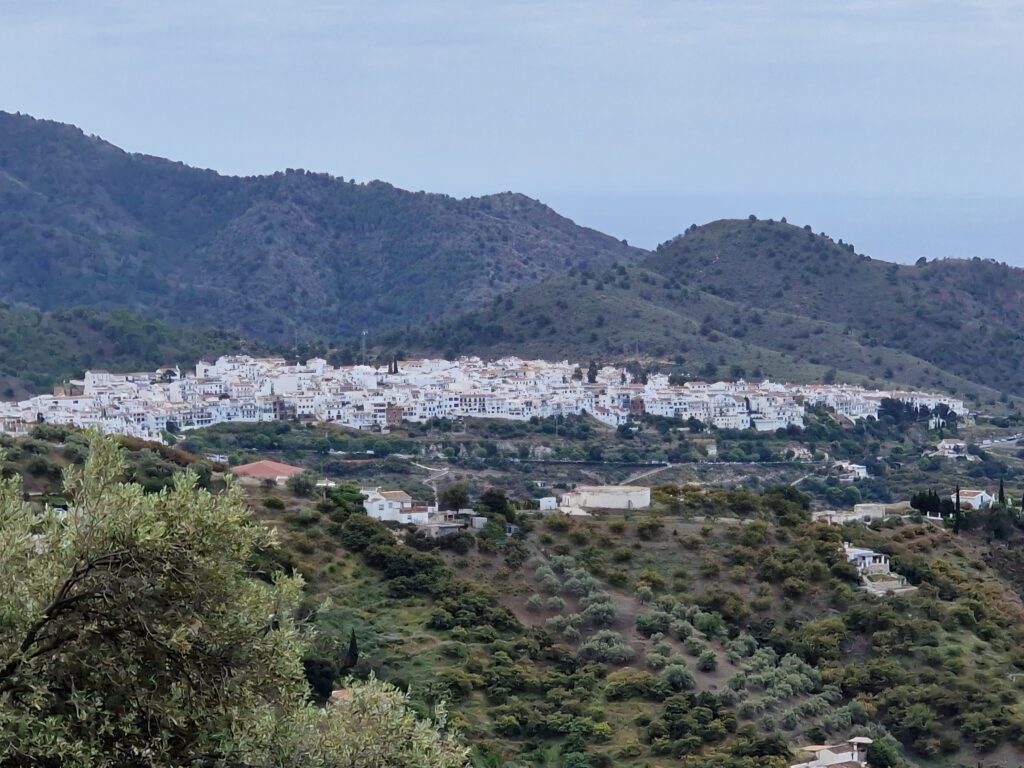
Where to Stay: Cozy Bases Near the Wine Route
Because both Moclinejo and Benagalbón have maintained their residential, rural charm, you won’t find large commercial hotels within the villages themselves. Instead, the area is famous for beautiful rural villas, restored townhouses, and nearby coastal bases that allow you to explore both the sea and the mountains seamlessly.
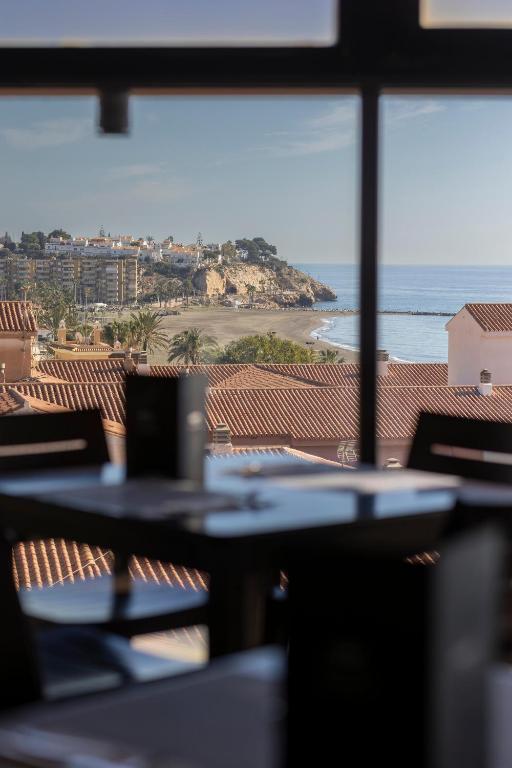
Positioned nearby on the quiet edge of the coast, this modern hotel provides great amenities and a comfortable, contemporary environment for couples and families looking to explore the eastern Axarquía.
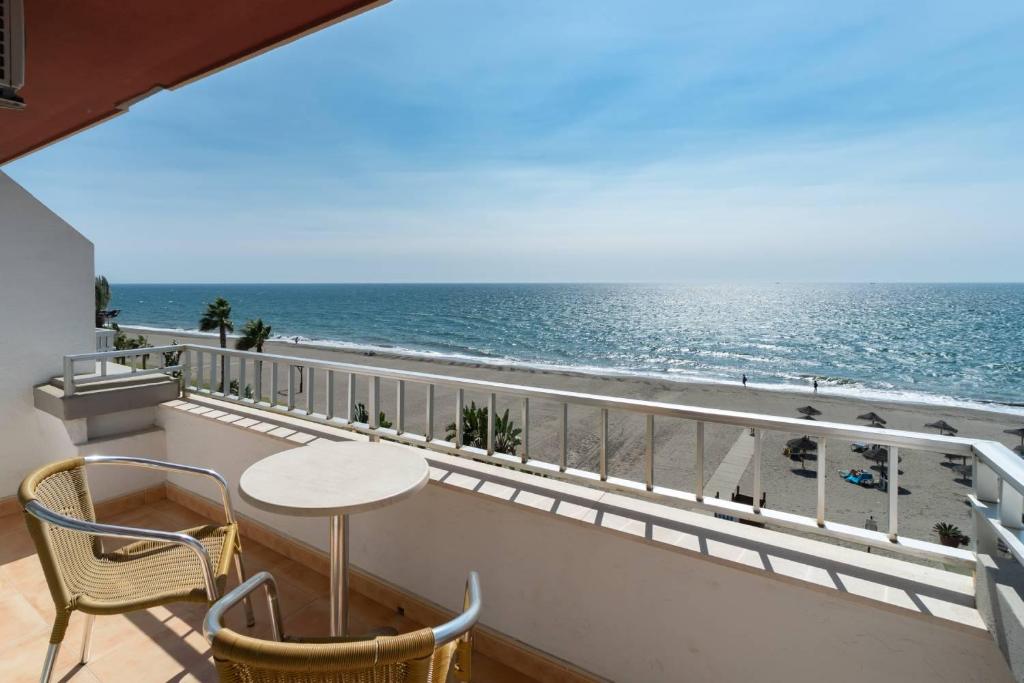
Positioned nearby on the quiet edge of the coast, this modern hotel provides great amenities and a comfortable, contemporary environment for couples and families looking to explore the eastern Axarquía.
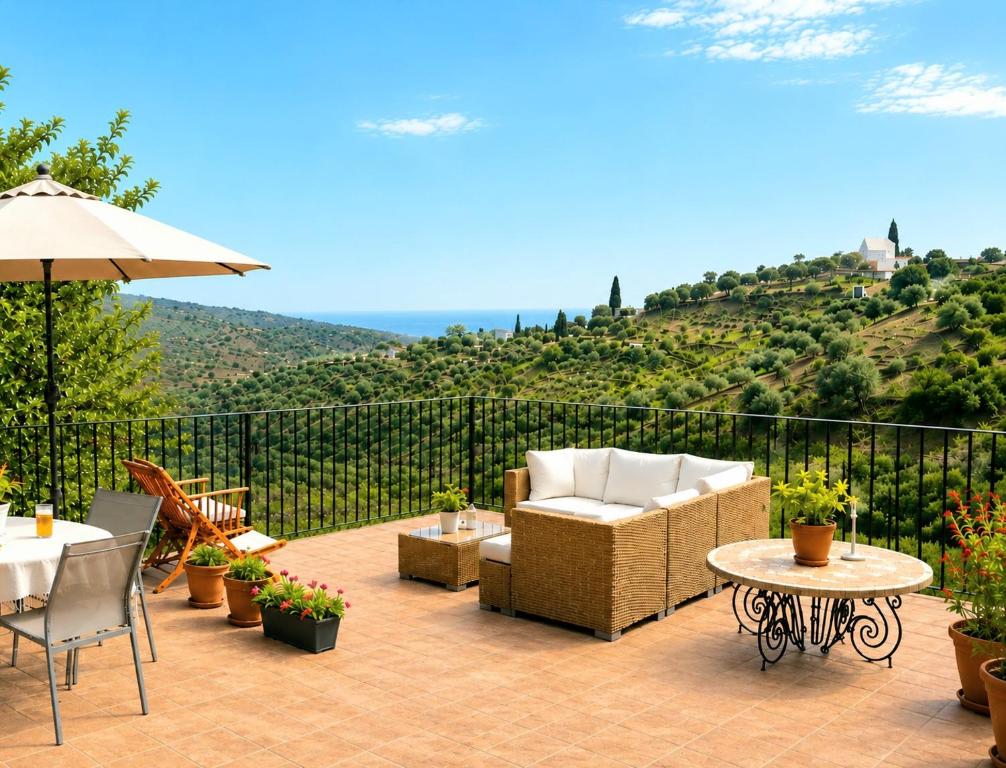
For those seeking pure tranquility, renting a traditional, rustic countryside villa or cortijo in the hills surrounding Moclinejo offers private pools, open wood fireplaces, and panoramic views of the vineyards meeting the sea.
Book Your Axarquía Wine & Culture Experiences
To truly appreciate the deep agricultural history and unique musical traditions of these villages, joining a curated regional tour or booking local experiences can add immense value to your holiday. Check out these highly recommended options:
Culinary Traditions: What to Eat in the Hills
The gastronomy of Moclinejo and Benagalbón is deeply rooted in the land. Because the terrain is rugged, the traditional dishes are hearty, simple, and designed to sustain agricultural workers.
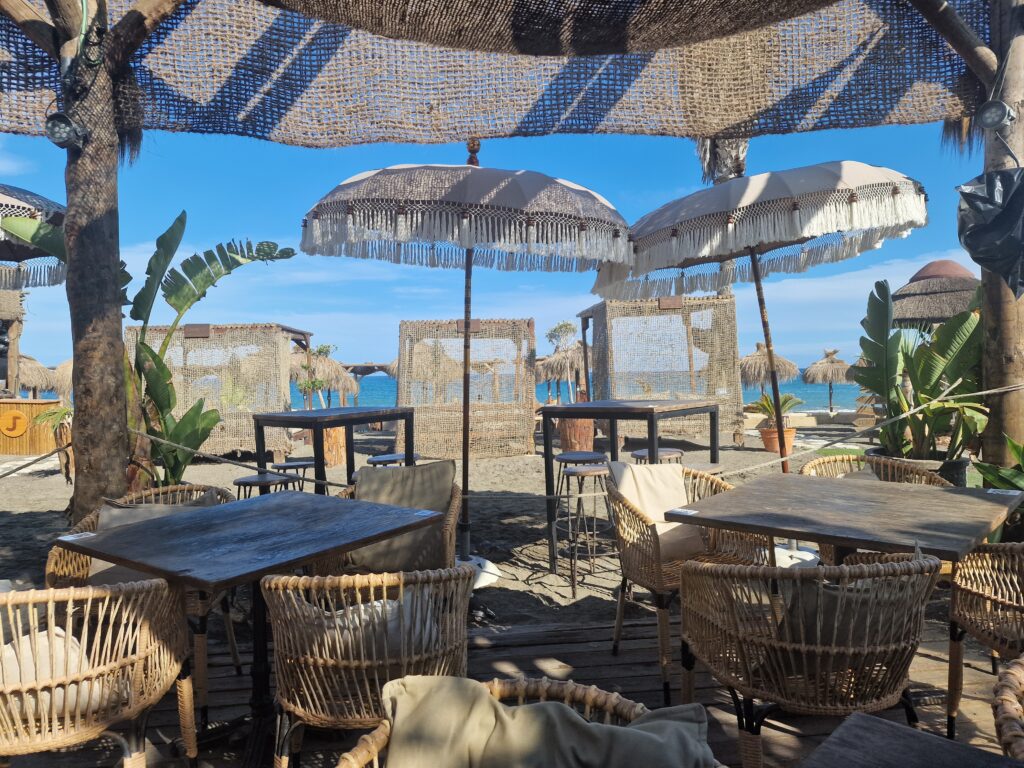
When dining at a local venta (roadside mountain restaurant) or village tapas bar, look out for Ajoblanco. This refreshing, smooth cold soup is crafted from crushed almonds, garlic, olive oil, and water, and it is traditionally topped with a handful of fresh Muscatel grapes to balance the savory garlic with a pop of sweetness.
Other local favorites include Chivo a la Axarquía (succulent, slow-cooked local goat seasoned with mountain herbs) and dishes featuring rich, dark sugarcane molasses sourced from the neighboring hills. Pair any of these meals with a glass of local vermouth or sweet wine, and you have a true taste of the mountains.
Practical Tips for Your Road Trip
Master the Winding Roads: If you plan on renting a car to explore the region, opting for a compact vehicle is highly recommended. The roads connecting the coast to Moclinejo are safe and well-paved, but the streets inside the historic village centers themselves are incredibly steep, narrow, and tricky to navigate in a large vehicle.
Combine with Coastal Hotspots: To get a complete overview of the eastern coastline’s diversity, consider planning a route that starts at the seaside in Torre del Mar, moves inland through the ancient cultural hub of Vélez-Málaga, and loops back down through the peaceful vineyard paths of Moclinejo and Benagalbón.
Bring Cash: While card payments are widely accepted in larger towns, some of the tiny, traditional tapas bars and agricultural shops in the smaller villages prefer cash for minor purchases.
Final Thoughts: The Soul of the Costa del Sol
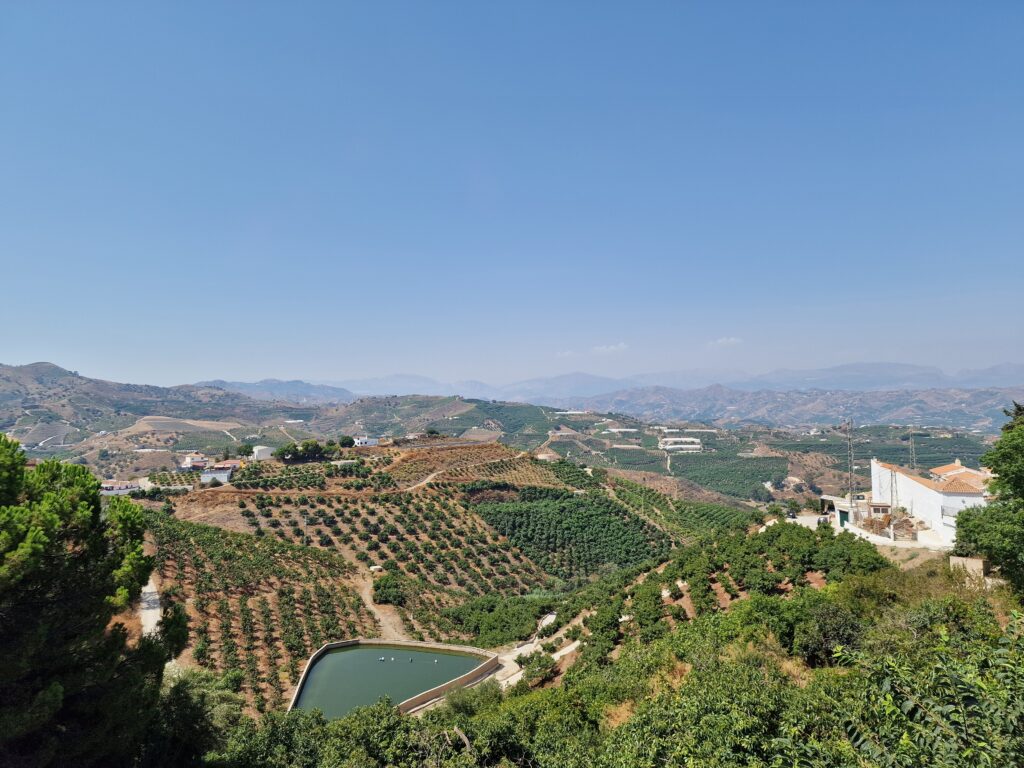
Moclinejo and Benagalbón remind us that the Costa del Sol is far more than just a modern beach resort destination. By taking the time to step off the sand and venture just a few kilometers inland, you are rewarded with an authentic glimpse into the living history of southern Spain. From the sweet aroma of fermenting grapes to the traditional echoes of the Verdiales music, these two villages capture the true, unfiltered soul of Andalusia.