
The Ultimate Costa del Sol Food Guide: From Beachside Chiringuitos to Premium Tapas Tours
To truly understand the Costa del Sol, you have to eat your way through it. For decades, this sun-drenched coastline in southern Spain has been celebrated for its Mediterranean beaches and dramatic mountain backdrops. However, the region’s culinary landscape is just as spectacular, serving as a beautiful reflection of its rich history, coastal geography, and Andalusian soul.
From the smoky aroma of sardines roasting on open-air olive wood fires by the sand to the high-energy, buzzing tapas bars tucked away in ancient city alleys, dining here is a social ritual. It is about slowing down, sharing plates with friends, and enjoying the freshest local ingredients.
Whether you are a seasoned foodie or a first-time visitor looking to avoid the tourist traps, this ultimate Costa del Sol food guide will lead you straight to the most authentic gastronomic experiences the region has to offer.

Where to Book: Essential Foodie Experiences & Day Trips
To get under the skin of the local food culture without the guesswork, booking a guided culinary journey is highly recommended. Click the links below to secure the best local food guides and transport before you travel.
1. Premium Culinary Journeys: GetYourGuide Food Tours Description: Skip the generic tourist menus and dive straight into authentic eating hubs. Booking a premium guided tapas and wine walking tour through Málaga or Marbella is the fastest way to learn about local ingredients and taste hidden specialties known only to residents.
2. Absolute Freedom: Discover Cars Rental Description: Want to escape the coast to taste mountain-cured hams, local olive oils, and sweet muscatel wines in rural white villages? Renting a car from Málaga Airport gives you the total freedom to explore the countryside at your own pace.
The Heart of the Coast: Chiringuitos and Espetos
You cannot write a Costa del Sol food guide without starting directly on the sand. A chiringuito is far more than just a beach bar; it is an Andalusian institution. These open-air, seaside restaurants are where locals gather on weekends for long, lazy lunches that stretch far into the late afternoon.
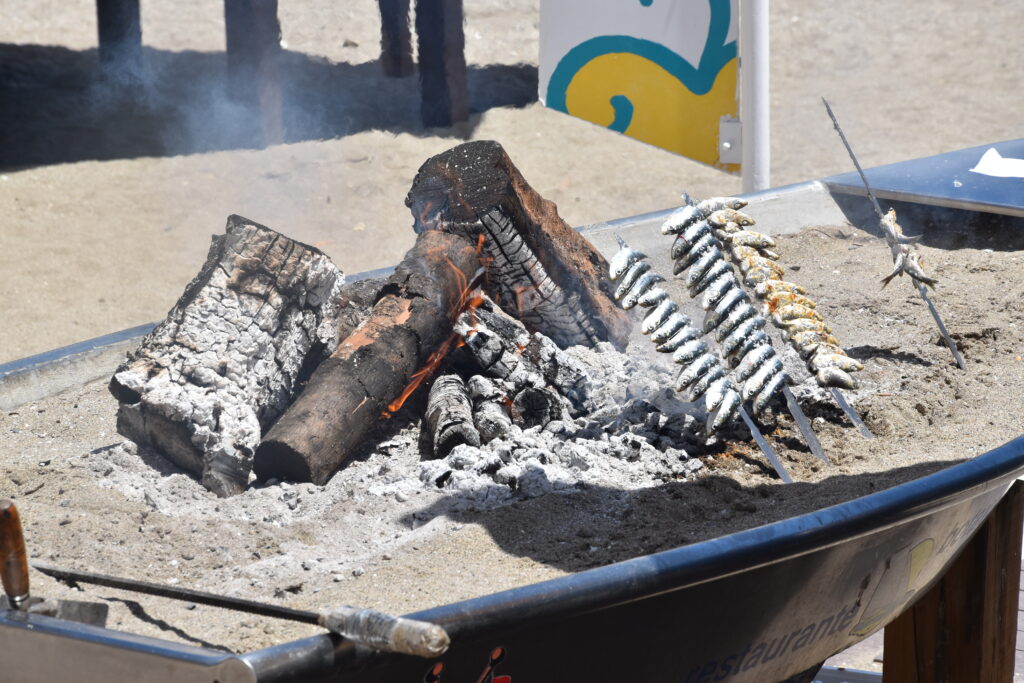
The undisputed king of the chiringuito menu is the espeto de sardinas (sardine skewer). Fresh, plump sardines are skewered onto bamboo sticks and planted into the sand inside old, sand-filled fishing boats, where they are slow-roasted over burning olive wood. Cooked to perfection with nothing more than sea salt and natural smoke, it is a culinary masterpiece of simplicity.
Beyond sardines, chiringuitos are the ultimate places to order pescaíto frito (a crisp, golden medley of flash-fried local fish), boquerones (anchovies, either fried or marinated in vinegar and garlic), and massive pans of seafood paella infused with rich saffron.
Local Insider Tip: For the most authentic and budget-friendly espeto experience, skip the high-end resort zones and head east toward the historic fishing neighborhoods of El Palo and Pedregalejo in Málaga, or along the coast in Torre del Mar.
Top Food Tours and Gourmet Activities
Ready to taste the best of the region with a local expert? Secure your tickets online below to skip the lines, guarantee your entry, and dive deep into the Andalusian kitchen.
The Art of the Urban Tapas Crawl
Moving away from the sand and into the historic centers of towns like Málaga, Marbella, and Fuengirola, the culinary vibe shifts from relaxed beach dining to high-energy urban exploration. This is the realm of the traditional Spanish tapas crawl.
Unlike other parts of Spain where you sit down for a heavy three-course meal, eating in the cities is an active adventure. The golden rule is to never stay in one place too long. Instead, you move from one bustling bar to the next, ordering one or two small plates (tapas) or larger shared portions (raciones) at each stop, usually accompanied by a crisp glass of local craft beer, a chilled dry sherry (fino), or a refreshing tinto de verano (red wine mixed with lemon soda).
When navigating a local tapas menu, look out for these regional staples:
Porra Antequerana: A thick, cold tomato and bread soup originating from inland Antequera, topped with hard-boiled egg and savory jamón Serrano.
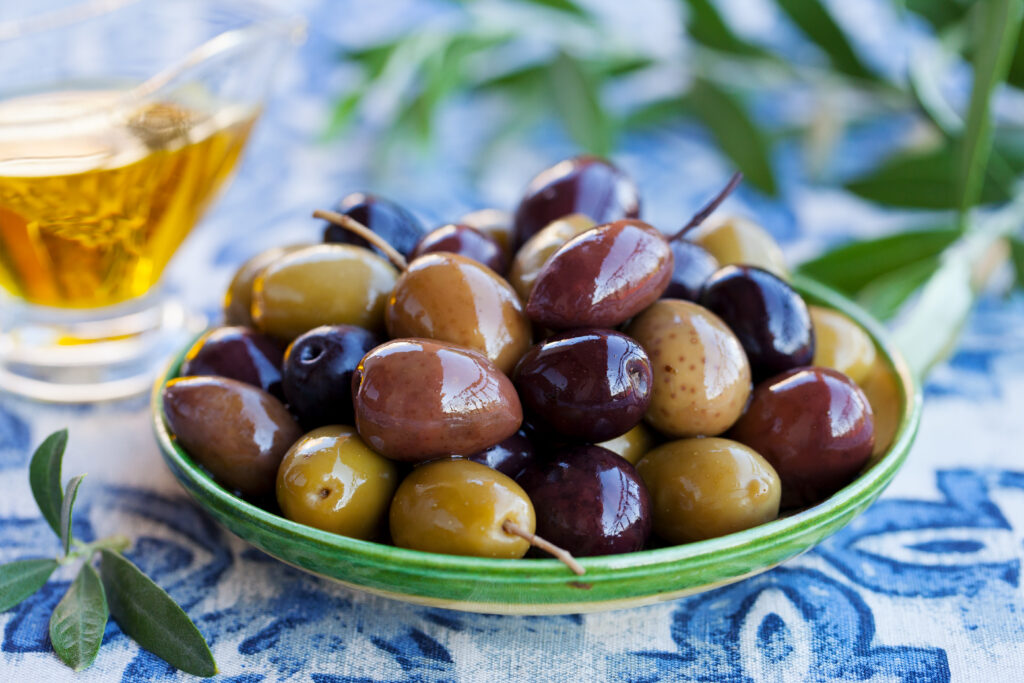
Ensaladilla Malagueña: A refreshing local summer salad combining boiled potatoes, codfish, oranges, green olives, and rich olive oil.
Berenjenas con Miel de Caña: Crispy, thin slices of fried eggplant drizzled with sweet, dark sugar cane molasses sourced from nearby Frigiliana.
Where to Stay: Premium Accommodations for Food Lovers
Waking up close to the best markets and dining districts is the ultimate way to experience the region. We have selected two exceptional properties that place you directly in the heart of the culinary action. Click “Check Availability” to secure your holiday dates.
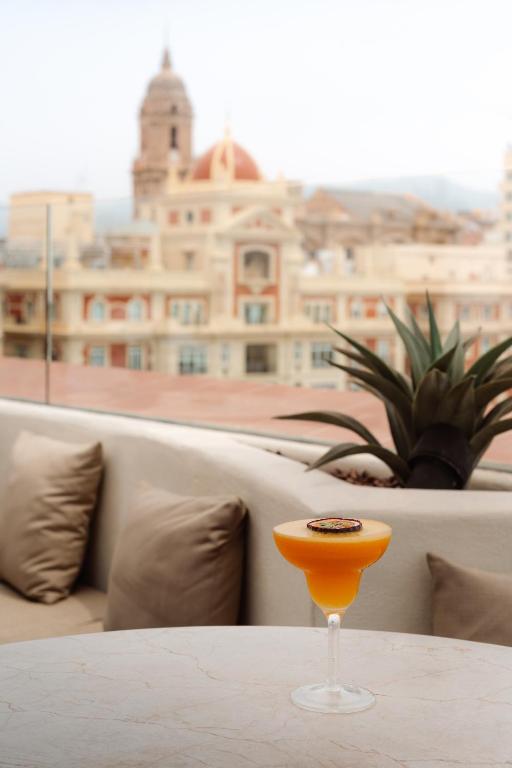
Perfectly positioned at the intersection of the historic old town and the vibrant port. This stylish 5-star hotel places you steps away from the famous Atarazanas food market and the city’s finest tapas bars, featuring a spectacular rooftop restaurant with panoramic views.
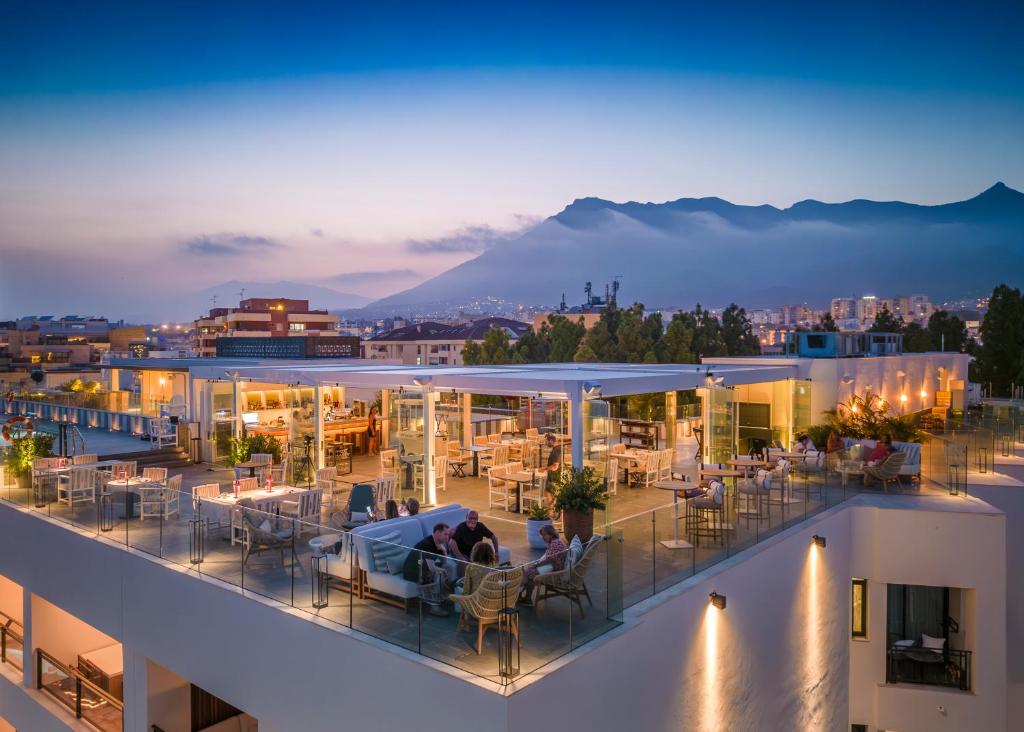
Combining a prime beachfront location with easy walking access to Marbella’s historic Old Town plazas. This legendary 5-star resort boasts a Michelin-starred dining concept on-site, making it an absolute paradise for travelers who appreciate fine dining and premium service.
Mountain Flavors and Sweet Desert Wines
While the Mediterranean Sea provides the fish, the rugged mountains lining the coast provide the hearty soul of the local diet. If you venture just a few kilometers inland into regions like the Axarquía or the Serranía de Ronda, the menus transform completely.
Here, the focus shifts toward premium meats, wild game, and slow-cooked stews. The mountain air is perfect for curing Jamón Ibérico, and villages like Benaoján are famous across Spain for their traditional artisan sausages and charcuterie.
The region is also incredibly famous for its sweet wines, which have been produced here since the time of the Phoenicians. Made from Muscatel and Pedro Ximénez grape varieties grown on terrifyingly steep mountainside vineyards, Málaga’s sweet wines range from light and floral to dark, sticky, and complex. They are the perfect accompaniment to a plate of sharp, locally made goat’s cheese or a traditional almond pastry.

Essential Tips for Dining Like a Local
Follow the Clock: Spaniards eat late. Lunch typically runs from 2:00 PM to 4:00 PM, and dinner kitchens rarely open before 8:30 PM, with locals peaking around 10:00 PM. If a restaurant is packed with people eating dinner at 6:00 PM, it is a tourist trap.
Look for the Daily Menu: At lunchtime, look for the Menú del Día. This is a fixed-price worker’s lunch that usually includes a first course, a second course, bread, a drink, and dessert for an incredibly low price. It is the best value authentic meal you can find.
Embrace the Crowd: In traditional tapas bars, a crowded space with people standing at the bar is a sign of excellent quality. Don’t be shy—push your way to the counter, catch the bartender’s eye, and order what you see the locals enjoying!